What Defines Rustic Style
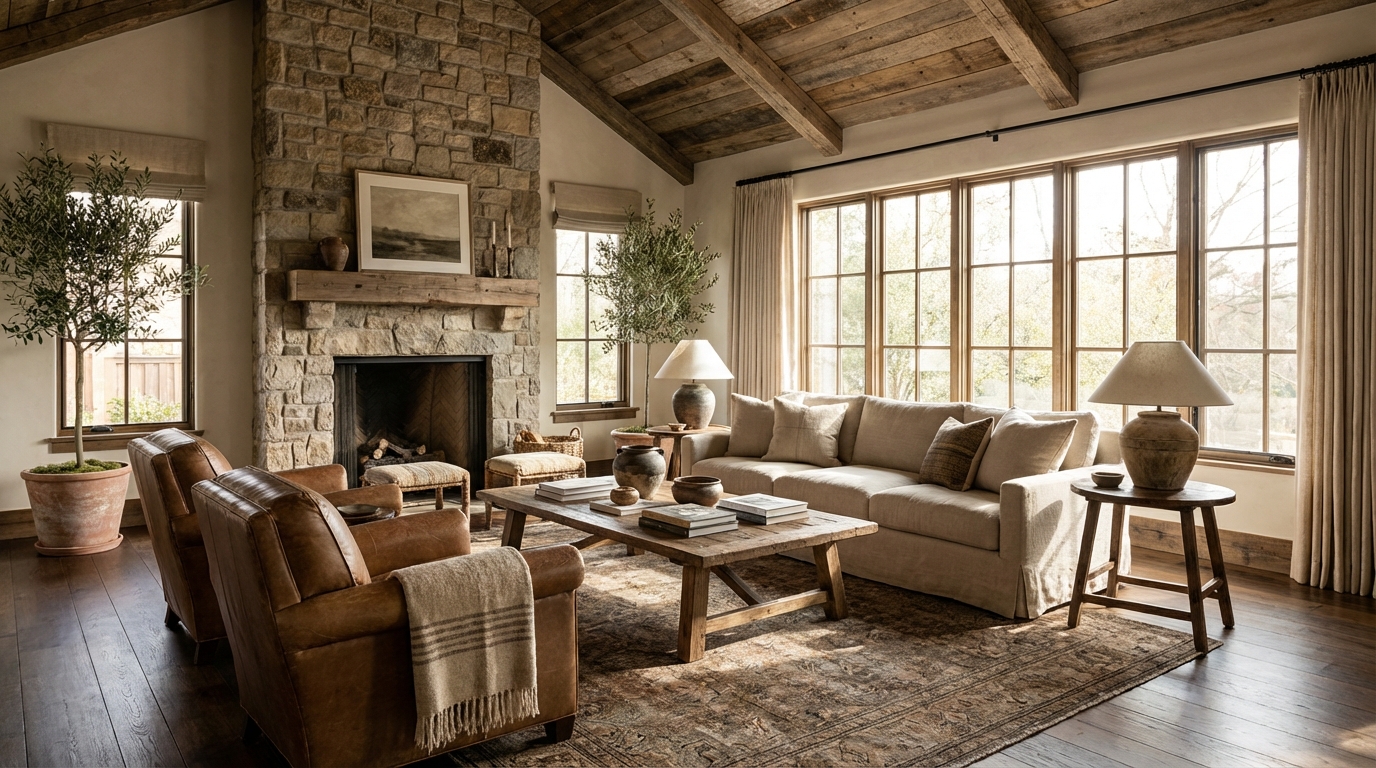
Rustic design is rooted in a deep appreciation for natural materials, handcrafted elements, and the beauty of imperfection. Unlike more polished contemporary styles, rustic interiors celebrate the organic textures and weathered patinas that tell a story. This design philosophy emerged from rural living traditions across various cultures—from European farmhouses to American frontier cabins—where functionality and resourcefulness shaped aesthetic choices.
At its core, rustic style embraces the principle that authenticity trumps perfection. Wood beams show their natural knots and grain patterns. Stone surfaces remain unpolished. Furniture pieces bear the marks of craftsmanship rather than factory precision. This approach creates spaces that feel lived-in and welcoming from day one, without the sterility that can plague more modern aesthetics.
The evolution of rustic design has been fascinating to watch. What began as purely utilitarian country living has transformed into a sophisticated design movement that appeals to urban dwellers and suburbanites alike. Today's rustic interiors often blend traditional elements with contemporary comforts, creating what many designers call "refined rustic" or "modern rustic" style. This evolution explains why rustic design resonates so powerfully with modern homeowners—it offers an antidote to our increasingly digital, fast-paced lives.
In our current era of mass production and technological saturation, people crave authenticity and connection to nature. A rustic living room provides exactly that: a space where natural materials ground you, where handmade objects remind you of human creativity, and where the overall atmosphere encourages you to slow down and be present. The style's enduring appeal lies in its ability to make any house feel like a home.
What distinguishes rustic from similar styles like farmhouse or cottage design? While there's certainly overlap, rustic style leans more heavily into raw, unfinished materials and a connection to wilderness rather than agricultural life. Farmhouse style often incorporates more painted finishes and vintage accessories, while rustic design favors natural wood tones and organic textures. Understanding these nuances helps you create a cohesive rustic living room rather than an unintentional style mashup.
What Defines Rustic Style
Essential Elements for Your Rustic Living Room
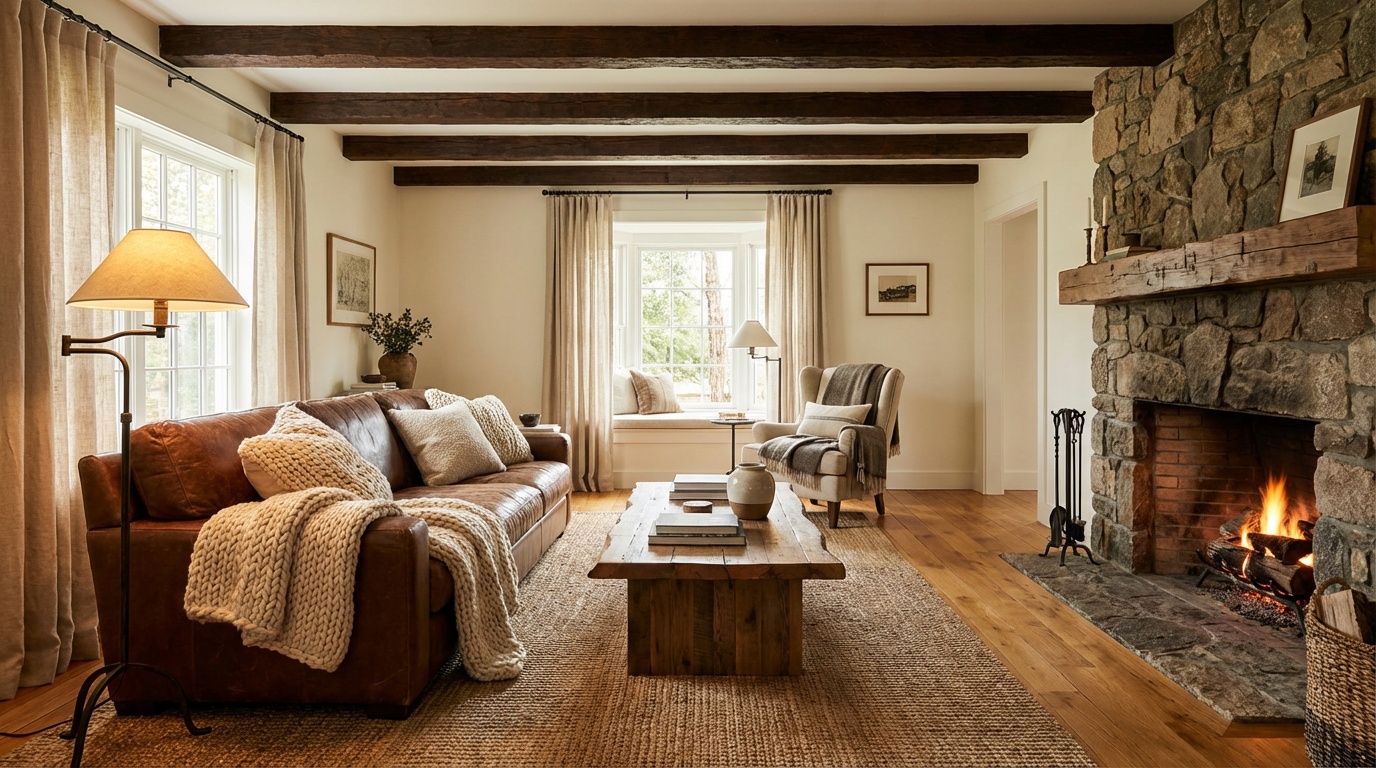
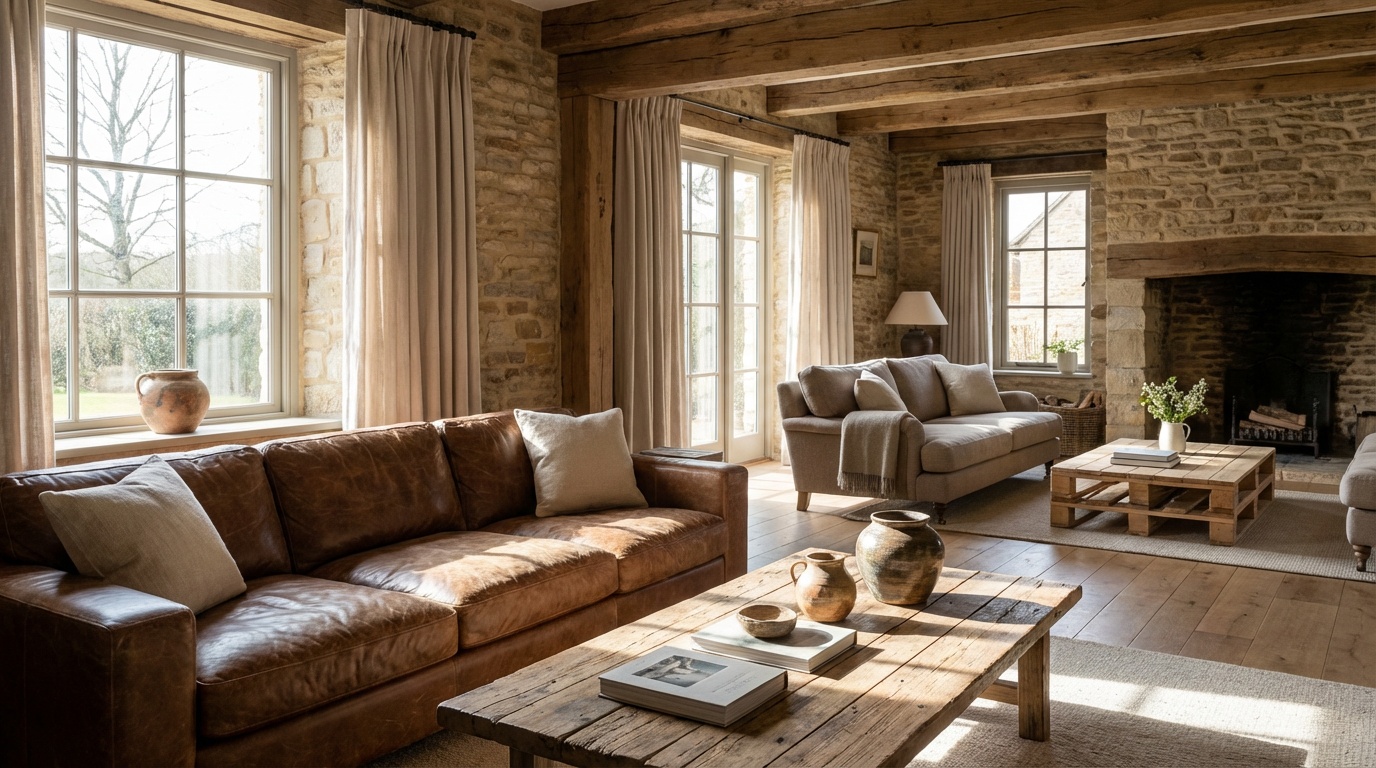
The foundation of any successful rustic living room starts with the right furniture pieces. A substantial wooden coffee table serves as the anchor—look for reclaimed wood, live-edge designs, or chunky farmhouse-style tables with visible joinery. The coffee table in a rustic space should feel solid and substantial, not delicate or minimalist. Opt for pieces made from oak, pine, cedar, or reclaimed barn wood that showcase natural grain patterns and color variations.
Your seating arrangement defines how the room functions and feels. A large, comfortable sofa upholstered in durable fabrics forms the centerpiece. For rustic spaces, consider leather sofas that will develop a beautiful patina over time, or choose sturdy textiles like canvas, linen, or heavyweight cotton in neutral tones. Complement the main sofa with accent chairs—wooden rocking chairs, leather club chairs, or upholstered wingbacks all work beautifully in rustic settings.
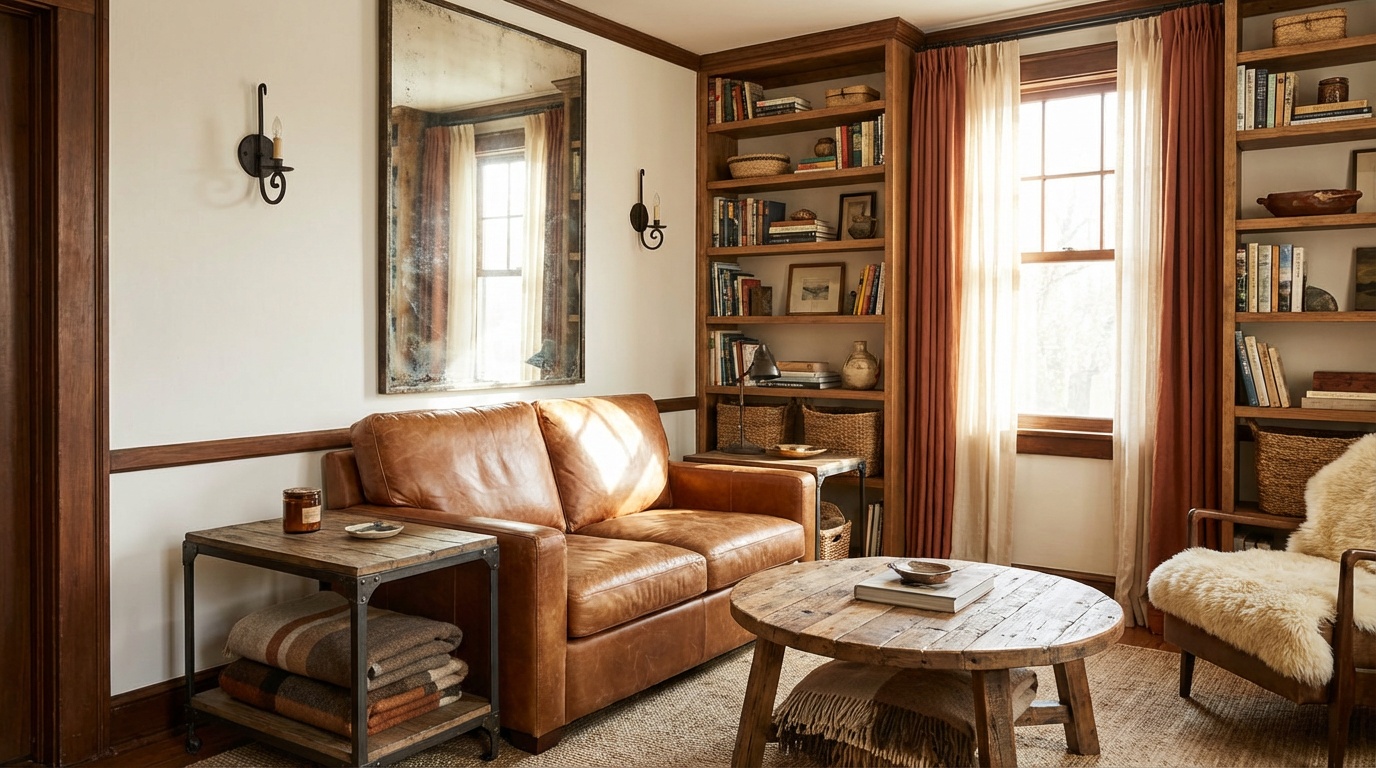
Storage and display furniture complete the essential elements. A rustic media console or sideboard crafted from weathered wood provides both function and visual weight. Look for pieces with metal hardware, visible wood grain, and simple, sturdy construction. Open shelving units made from reclaimed wood and metal piping offer display space for books, pottery, and natural objects while maintaining the rustic aesthetic.
The signature silhouettes in rustic design tend toward substantial, grounded forms rather than delicate or elevated pieces. Furniture sits close to the ground, features thick legs and supports, and emphasizes horizontal rather than vertical lines. This creates a sense of stability and permanence that's essential to the rustic feeling.
Material selection makes or breaks a rustic living room. Rough-hewn wood is the star performer—whether it's exposed ceiling beams, wide-plank flooring, or furniture pieces. Complement wood with natural stone in fireplace surrounds, accent walls, or decorative elements. Wrought iron and aged metals add industrial touches through light fixtures, curtain rods, and furniture accents. For textiles, embrace wool, linen, cotton, jute, and leather—all materials that age gracefully and add tactile warmth.
The living room particularly benefits from rustic style because it's where we gather, relax, and connect with others. Rustic design's inherent warmth and comfort make it ideal for this social hub. The natural materials create excellent acoustics, the substantial furniture invites lingering conversations, and the overall aesthetic encourages people to put down their devices and engage with their surroundings. A rustic living room becomes the heart of the home in a way that more formal styles simply can't achieve.
Essential Elements for Your Rustic Living Room
Color Palettes & Combinations
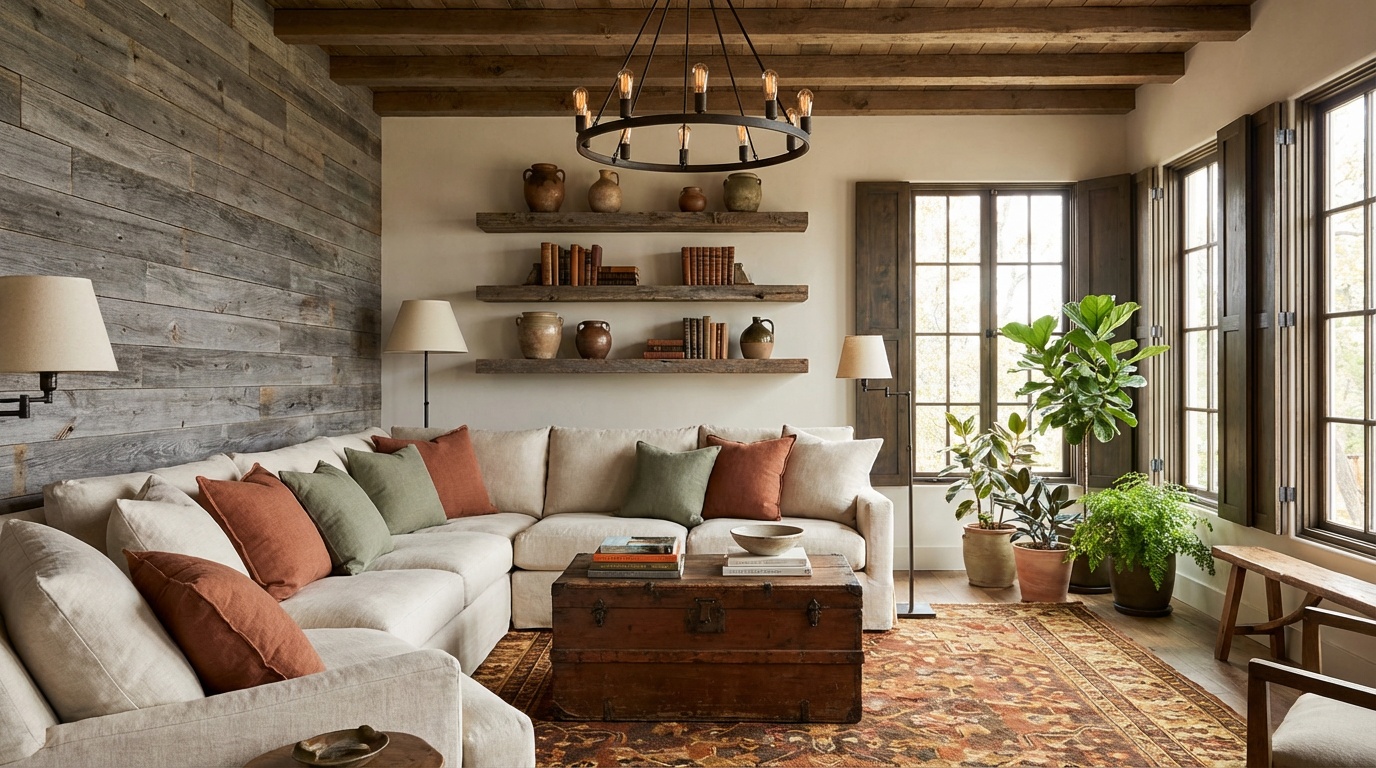
The rustic color palette draws directly from nature's own color story. Your primary colors should include warm honey oak as the dominant wood tone, creating a golden foundation throughout the space. Pair this with weathered gray—think of aged barn wood or river stones—which adds sophistication and prevents the space from feeling too warm or monotonous. Cream or warm white serves as your neutral anchor for walls and larger upholstered pieces, while deep chocolate brown grounds the palette through leather accents and darker wood tones.
Accent colors in rustic spaces should feel organic rather than synthetic. Dusty sage green brings in the garden and forest, working beautifully in throw pillows, plants, and artwork. Terracotta or burnt orange adds warmth without overwhelming the neutral base—use it sparingly in ceramic accessories, throw blankets, or a single accent chair. Deep navy or charcoal provides depth and can anchor a reading nook or bookshelf styling. Rust red echoes autumn leaves and works particularly well in textiles like area rugs and cushions.
Balancing neutrals with color requires restraint in rustic design. Follow the 70-20-10 rule: 70% of the room should be your neutral base (wood tones, cream, gray), 20% should be your secondary neutral or muted color, and 10% should be your accent colors. This prevents the space from feeling too busy while still allowing personality to shine through.
For wall colors versus furniture versus decor distribution, keep walls in the lightest neutrals—warm white, cream, or very pale gray. This allows your wooden furniture and architectural elements to stand out as the stars. Your furniture can span the full range from light pine to dark walnut, but maintain consistency in undertones (all warm or all cool). Reserve your boldest colors for easily changeable decor items—pillows, throws, artwork, and accessories.
Seasonal color variations work beautifully in rustic living rooms. In spring and summer, introduce more greens, soft blues, and lighter linens. Swap heavy wool throws for cotton or linen versions. Add fresh flowers and botanical prints. For fall and winter, layer in deeper oranges, burgundies, and rich browns. Bring out heavier textures like sheepskin throws, chunky knit blankets, and velvet pillows. This seasonal rotation keeps the space feeling fresh while maintaining the core rustic aesthetic.
Color Palettes & Combinations
Lighting & Ambiance
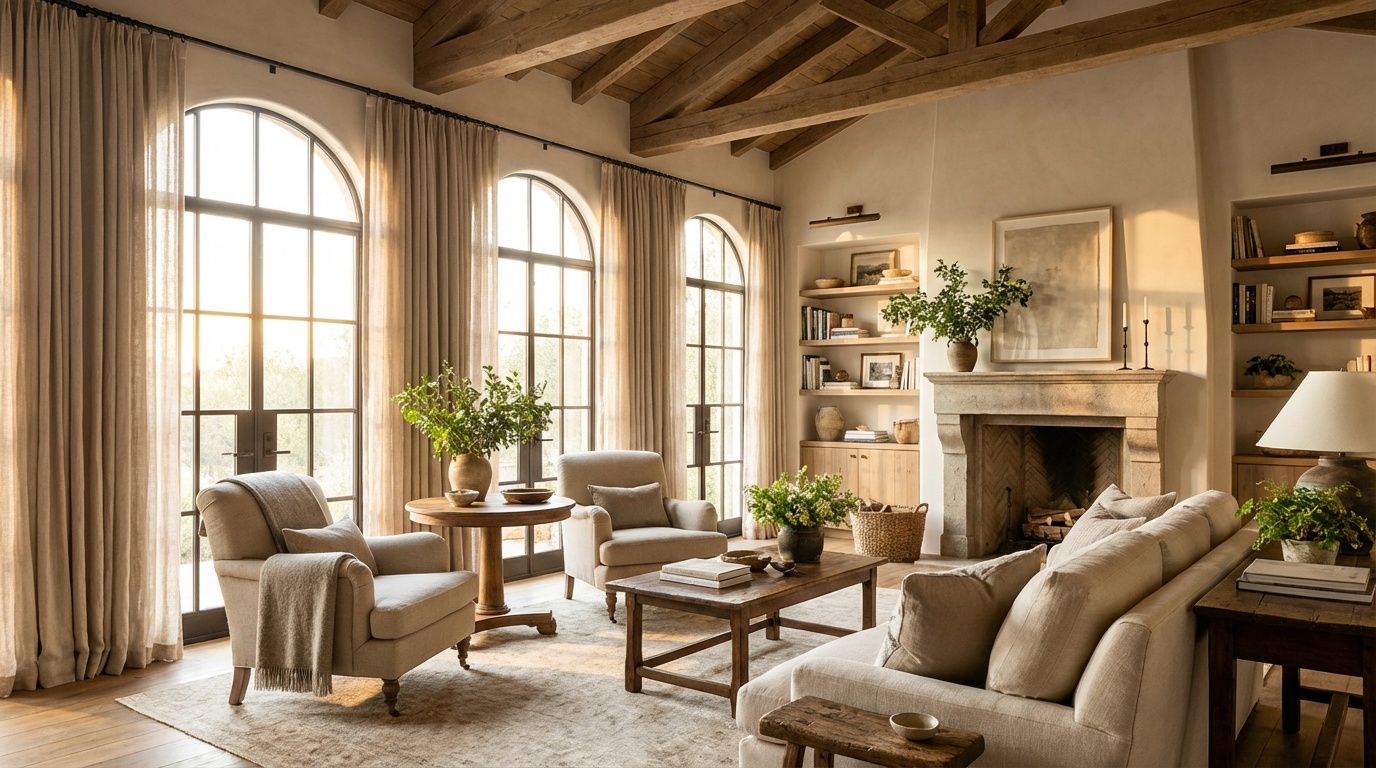
Natural light is precious in rustic living rooms—it brings out the warmth in wood tones and creates dynamic shadows that highlight texture. Maximize natural light by keeping window treatments simple and functional. Avoid heavy, formal drapery in favor of linen curtains, wooden shutters, or simple roller shades in natural materials. If privacy isn't a concern, leave windows completely bare to flood the space with daylight.
Position your seating to take advantage of natural light throughout the day. Place reading chairs near windows where afternoon sun creates the perfect spot for curling up with a book. Arrange your main seating area so natural light illuminates faces during conversation rather than creating harsh backlighting.
Artificial lighting in rustic spaces requires careful layering to create warmth and avoid harsh, clinical brightness. Ambient lighting provides overall illumination—consider a statement chandelier made from wrought iron, antlers, or weathered wood beams. Wagon wheel chandeliers, while sometimes considered cliché, can work beautifully if they're authentic vintage pieces or high-quality reproductions. Alternatively, a large drum pendant with a linen shade offers ambient light with a softer rustic feel.
Task lighting serves specific functions like reading or working. Floor lamps with metal bases and linen shades work well beside seating areas. Table lamps on side tables should feature ceramic, wood, or metal bases in organic shapes—avoid anything too polished or contemporary. For a unique rustic touch, consider repurposed items like old lanterns converted to electric lamps or industrial-style desk lamps.
Accent lighting adds drama and highlights architectural features or artwork. Install picture lights above landscape paintings or family photos. Use LED strip lighting hidden along exposed beams to create a warm glow on ceiling textures. Place small table lamps on bookshelves to create depth and visual interest in the evening hours.
Specific fixture styles that complement rustic design include Edison bulb fixtures that showcase the bulb as part of the design, lantern-style pendants in aged metal finishes, industrial cage lights that add an urban-rustic edge, and antler or branch-inspired chandeliers for a nature-focused approach. Whatever fixtures you choose, opt for warm-toned bulbs (2700K-3000K) rather than cool white light, which can make rustic spaces feel harsh and unwelcoming.
Creating mood through lighting placement means thinking about how you actually use the space. Install dimmer switches on all overhead lights so you can adjust brightness for different occasions—bright for family game night, dim for movie watching. Create pools of light rather than uniform brightness by using multiple lamps at varying heights. This layered approach mimics the flickering warmth of candlelight and firelight, which are the historical roots of rustic lighting.
Lighting & Ambiance
Furniture & Decor Shopping Guide
Knowing where to invest your budget versus where to save makes the difference between a cohesive rustic living room and a space that feels cheap or disjointed. Splurge on your sofa—this is the piece you'll use daily, and quality matters. Look for hardwood frames, eight-way hand-tied springs, and durable upholstery. A leather sofa from a reputable manufacturer will last decades and only improve with age. Expect to invest $2,000-$5,000 for a quality piece that will anchor your room.
Your coffee table is another worthy investment. A solid wood table from a craftsman or high-quality furniture maker becomes an heirloom piece. Live-edge tables from local woodworkers typically range from $800-$2,500 depending on size and wood type, but they're one-of-a-kind pieces that bring genuine character to your space.
Budget-friendly alternatives exist for nearly every rustic element. Instead of expensive reclaimed wood furniture, check out World Market, HomeGoods, and Target's Threshold line for affordable rustic-inspired pieces. IKEA's solid wood furniture can be customized with stain or paint to achieve a more authentic rustic look. The HEMNES and STOCKSUND lines work particularly well for rustic spaces.
For textiles and accessories, Amazon, Wayfair, and Overstock offer countless affordable options. You can find quality area rugs, throw pillows, and blankets at reasonable prices. Just be selective—read reviews and check material content to avoid synthetic fabrics that will cheapen the overall look.
Vintage and secondhand finds are rustic design's secret weapon. Scour Craigslist, Facebook Marketplace, and estate sales for solid wood furniture, vintage trunks, old ladders, wooden crates, and metal industrial pieces. These items often cost a fraction of new furniture while offering superior quality and authentic character. A $50 vintage wooden trunk can serve as both coffee table and storage—something you'd pay $500+ for new.
Antique stores and architectural salvage yards are treasure troves for rustic elements. Look for old barn doors that can become wall art or headboards, vintage signs for wall decor, mason jars and crocks for organizing and display, and old tools that double as sculptural objects. Just remember: a few authentic vintage pieces go further than a room full of mass-produced "vintage-inspired" items.
DIY projects can dramatically reduce costs while adding personal touches. Build your own coffee table from reclaimed wood and hairpin legs (total cost: $100-200). Create floating shelves from salvaged barn wood (cost: $30-50). Make throw pillows from vintage grain sacks or canvas drop cloths (cost: $10-15 per pillow). Construct a blanket ladder from fallen tree branches (cost: $0 if you forage the wood). These projects require minimal woodworking skills but deliver maximum rustic impact.
Furniture & Decor Shopping Guide
Common Mistakes to Avoid
The first major mistake is going overboard with themed decor. A rustic living room should feel naturally evolved, not like a themed restaurant. Avoid filling every surface with antlers, horseshoes, and "FARMHOUSE" signs. These obvious theme markers make the space feel contrived rather than authentic. Instead, choose one or two statement pieces with genuine meaning—perhaps a vintage farm tool that belonged to your grandfather—and let subtler elements carry the rustic aesthetic.
To fix this mistake, edit ruthlessly. Remove any item that feels like it's trying too hard to be rustic. Keep pieces that serve a function or hold personal significance, and eliminate pure decoration. The best rustic spaces look like they've been curated over years, not purchased in a single shopping trip.
The second mistake is neglecting comfort in favor of aesthetics. Rustic style should be inviting and livable, but some people choose furniture that looks rustic but feels uncomfortable. A beautiful reclaimed wood bench might look perfect, but if it's too hard to sit on for more than five minutes, it fails the rustic living room's primary purpose: creating a space where people want to gather.
Fix this by prioritizing function first, then aesthetics. Add cushions to hard wooden seating. Choose upholstered pieces with proper support. Layer in soft textiles that invite touch. Test furniture before buying—if you can't imagine spending a Sunday afternoon on that sofa, keep looking.
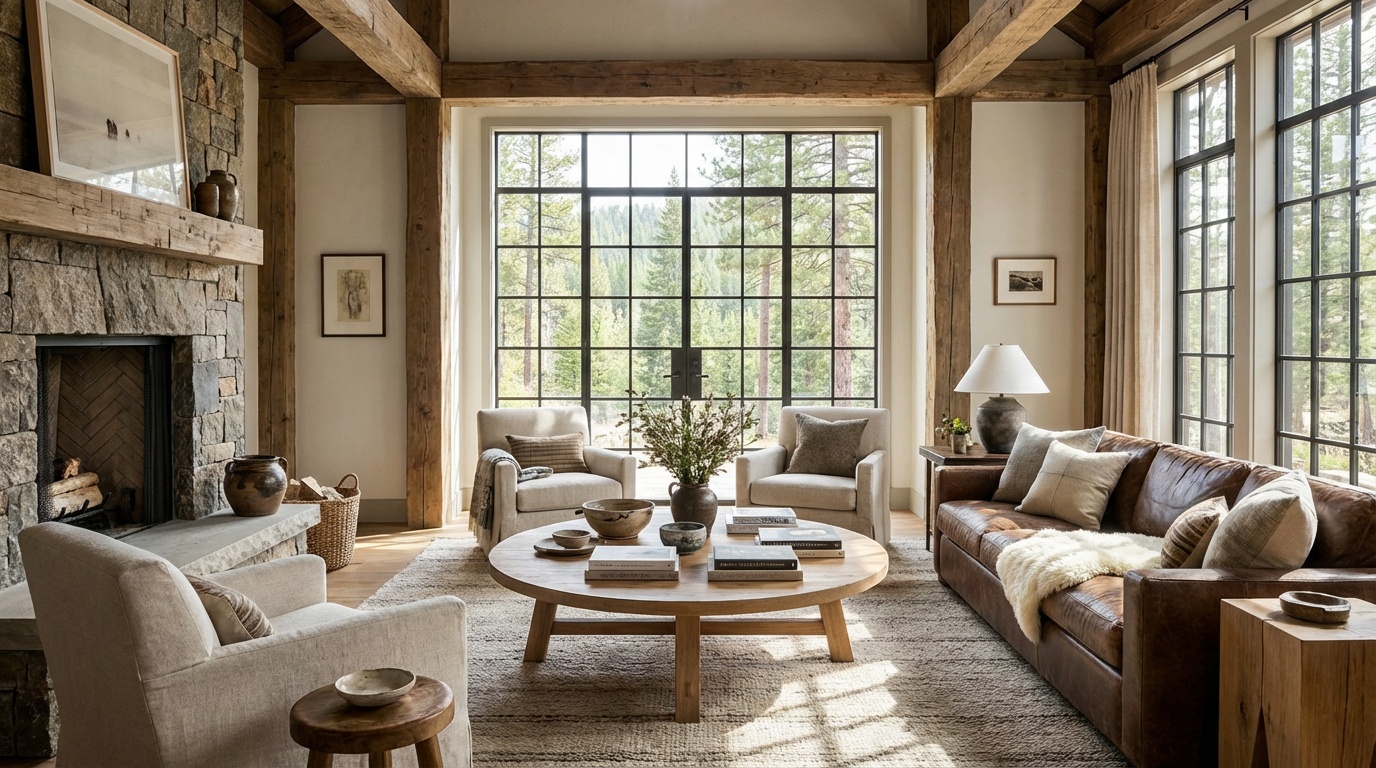
The third mistake is using too many dark colors and creating a cave-like atmosphere. While rustic design embraces rich wood tones, going too dark makes small or poorly-lit living rooms feel oppressive. This is especially problematic in modern homes with limited natural light.
Balance darker elements with lighter neutrals and strategic lighting. Paint walls in warm whites or creams. Choose at least one larger furniture piece in a lighter finish. Add mirrors to reflect available light. Incorporate multiple light sources rather than relying on a single overhead fixture. The goal is cozy, not gloomy.
The fourth mistake is mixing too many wood tones without intention. While rustic spaces can handle varied wood finishes, having every piece in a different tone creates visual chaos. Some people also make the mistake of matching everything perfectly, which feels too coordinated for the rustic aesthetic.
The solution is to choose 2-3 wood tones and stick with them. For example, combine honey oak, weathered gray, and dark walnut throughout the space. Each piece doesn't need to match perfectly, but they should relate to one of your chosen tones. This creates variety while maintaining cohesion.
The fifth mistake is forgetting about scale and proportion. Rustic furniture tends toward substantial sizing, which can overwhelm small living rooms. Conversely, some people choose pieces that are too delicate for the rustic aesthetic, creating a disconnect between style and execution.
Signs your space is missing the mark include: feeling cold and unwelcoming despite rustic elements, looking more like a stage set than a lived-in room, feeling cluttered despite regular cleaning, or not functioning well for your daily activities. If you're experiencing any of these issues, step back and reassess which mistakes might be at play.
The balance between over-styling and under-styling is delicate. Over-styled rustic living rooms feel precious and staged, with every pillow perfectly placed and every surface decorated. Under-styled spaces feel unfinished and sparse, lacking the layered warmth that defines rustic design. Aim for the middle ground: a room that looks thoughtfully designed but still inviting enough to actually use.
Common Mistakes to Avoid
Styling for Different Budgets & Spaces
Small living rooms present unique challenges for rustic design, but they can be incredibly charming when approached correctly. The key is editing down to essentials and choosing pieces that serve multiple functions. A storage ottoman provides seating, a footrest, and hidden storage. A console table behind the sofa creates display space without consuming floor area. Wall-mounted shelves offer storage without the footprint of a bookcase.
In tight quarters, keep the color palette lighter to maintain an airy feel. Use warm whites and pale grays as your base, with wood tones providing warmth. Avoid heavy, dark furniture that will shrink the space visually. Choose a loveseat instead of a full sofa, or opt for a sectional that maximizes seating in a corner configuration.
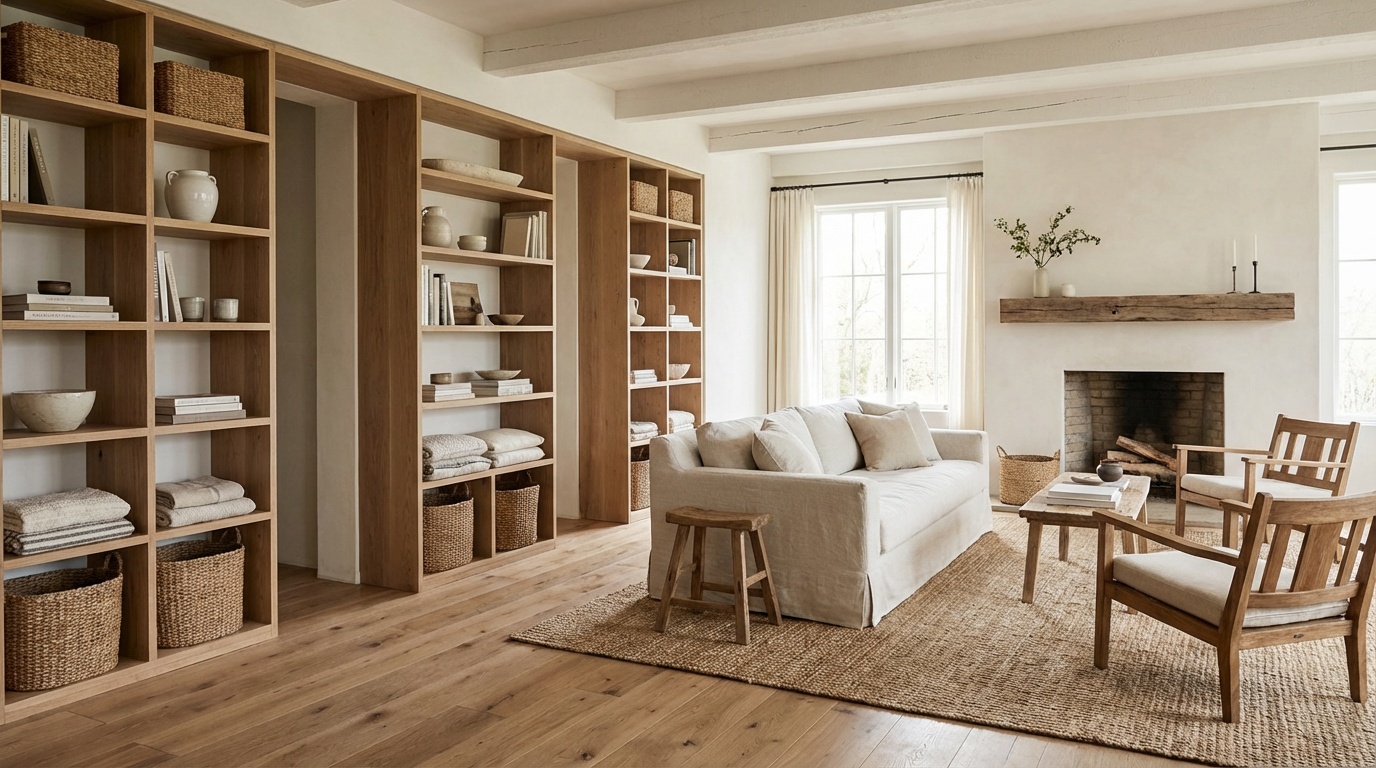
Vertical storage becomes crucial in small rustic living rooms. Install floor-to-ceiling shelving on one wall to draw the eye upward and provide ample storage. Use tall, narrow bookcases rather than wide, low ones. Hang plants from ceiling hooks or wall-mounted brackets to add greenery without consuming surface space.
For rental-friendly rustic design, focus on non-permanent changes. Avoid built-ins or anything requiring wall removal. Instead, use freestanding furniture, removable wallpaper, and tension rods for curtains. Lean large mirrors and artwork against walls rather than hanging them. Use area rugs to define spaces and add warmth without replacing flooring.
Renters can create rustic atmosphere through strategic furniture and decor choices alone. A substantial wooden coffee table, leather accent chairs, woven baskets, and layered textiles can transform even a basic apartment living room. When you move, everything comes with you.
Budget tiers help you plan your rustic living room transformation realistically:
Under $500 transformation:
- Start with what you have and add rustic touches incrementally
- Paint existing furniture in rustic-appropriate colors (cost: $30-50)
- Add one statement piece like a reclaimed wood coffee table from Facebook Marketplace ($100-200)
- Layer in textiles: jute rug, linen throw pillows, chunky knit blanket ($150-200)
- Incorporate natural elements: branches in a vintage crock, pinecones, stones (cost: $0-20)
- DIY wall art from botanical prints or vintage finds ($30-50)
- Replace light bulbs with warm Edison-style bulbs ($20-30)
$500-$2,000 transformation:
- Invest in one major furniture piece like a quality leather chair or solid wood media console ($400-800)
- Purchase a substantial area rug in jute or wool ($200-400)
- Add multiple lighting sources: floor lamp, table lamps, new fixture ($200-400)
- Upgrade window treatments to linen curtains or wooden blinds ($100-200)
- Invest in several smaller furniture pieces or storage solutions ($200-400)
- Incorporate higher-quality textiles and accessories ($100-200)
$2,000+ transformation:
- Purchase a high-quality leather sofa or sectional ($2,000-4,000)
- Invest in a custom or artisan coffee table ($800-2,500)
- Complete lighting overhaul including statement chandelier ($500-1,500)
- Add architectural elements like faux beams or wood accent wall ($500-2,000)
- Invest in multiple substantial furniture pieces ($1,000-3,000)
- Commission custom built-ins or shelving ($1,500-5,000)
- Add a stone fireplace surround or other major feature ($2,000-8,000)
Phasing your transformation over time makes the process less overwhelming and more financially manageable. Start with foundational elements: paint, lighting, and one anchor furniture piece. Month two, add textiles and window treatments. Month three, incorporate accent furniture and storage. Month four, focus on artwork and accessories. This approach also allows you to live in the space and understand how you actually use it before committing to every element.
Between phases, collect inspiration images and refine your vision. You might discover that your initial plan needs adjustment based on how the space functions in real life. This evolutionary approach often yields better results than trying to complete everything at once.
Styling for Different Budgets & Spaces
Bringing Your Vision to Life
The biggest mistake people make when designing a rustic living room is purchasing items impulsively without seeing how everything works together. You might find the perfect reclaimed wood coffee table, but will it work with your existing sofa? Will that paint color look too dark with your furniture? These questions plague even experienced designers.
This is where visualization becomes invaluable. Before spending hundreds or thousands of dollars, you need to see how your choices will actually look in your specific space with your specific lighting and architectural features. Traditional methods like mood boards and paint samples help, but they require imagination to translate into your actual room.
RoomStudioAI solves this challenge by letting you see your rustic living room transformation instantly. Simply upload a photo of your current living room, and the AI-powered tool reimagines it in authentic rustic style. You'll see exactly how natural wood furniture, warm textiles, and rustic color palettes will look in your actual space—not a generic stock photo, but your room with your windows, your dimensions, and your lighting.
This visualization capability is game-changing for several reasons. First, it eliminates expensive mistakes. You can experiment with different rustic approaches—modern rustic, cabin rustic, farmhouse rustic—and see which resonates with your space before buying a single item. Second, it helps you communicate your vision to partners, roommates, or family members who might not share your design vocabulary. Showing them a realistic rendering of your rustic living room is far more effective than describing it. Third, it builds confidence in your design decisions, making the implementation process less stressful.
The process is remarkably simple: upload your photo, select rustic style, and within seconds you'll see your living room transformed. You can try multiple variations, compare different approaches, and even save your favorites to reference while shopping. This risk-free experimentation means you can be bold in your design choices while still making informed decisions.
Beyond just seeing a rustic version of your room, RoomStudioAI helps you identify specific elements to shop for. You'll notice how the AI incorporates natural wood coffee tables, textured textiles, and warm lighting—giving you a shopping list of items to source. You can then hunt for similar pieces within your budget, knowing exactly what you're looking for and how it should work in your space.
For those combining rustic elements with other styles—perhaps you want rustic warmth but with contemporary living room clean lines—the visualization tool lets you experiment with these hybrids before committing. You might discover that a fully rustic approach feels too heavy for your taste, but a modern rustic blend is perfect.
The transformation from vision to reality becomes straightforward when you can reference your AI-generated design. Start with the largest, most impactful elements shown in your visualization—the sofa, coffee table, and area rug. These anchor pieces establish your rustic foundation. Next, add architectural and lighting elements that create atmosphere. Finally, layer in textiles, accessories, and personal touches that make the space uniquely yours.
Remember that your rustic living room should reflect your life and personality, not just replicate a magazine photo. Use your visualization as a guide and inspiration, but don't be afraid to deviate when you find pieces that speak to you. The goal is creating a space where you actually want to spend time—a warm, inviting living room that welcomes you home every day.
Ready to see your rustic living room vision come to life? Try RoomStudioAI. Upload a photo of your current space and discover the rustic potential hiding in your living room. No commitment, no credit card required—just instant inspiration to help you create the warm, natural retreat you've been dreaming about. Your perfect rustic living room is just a click away.