What Defines Minimalist Style
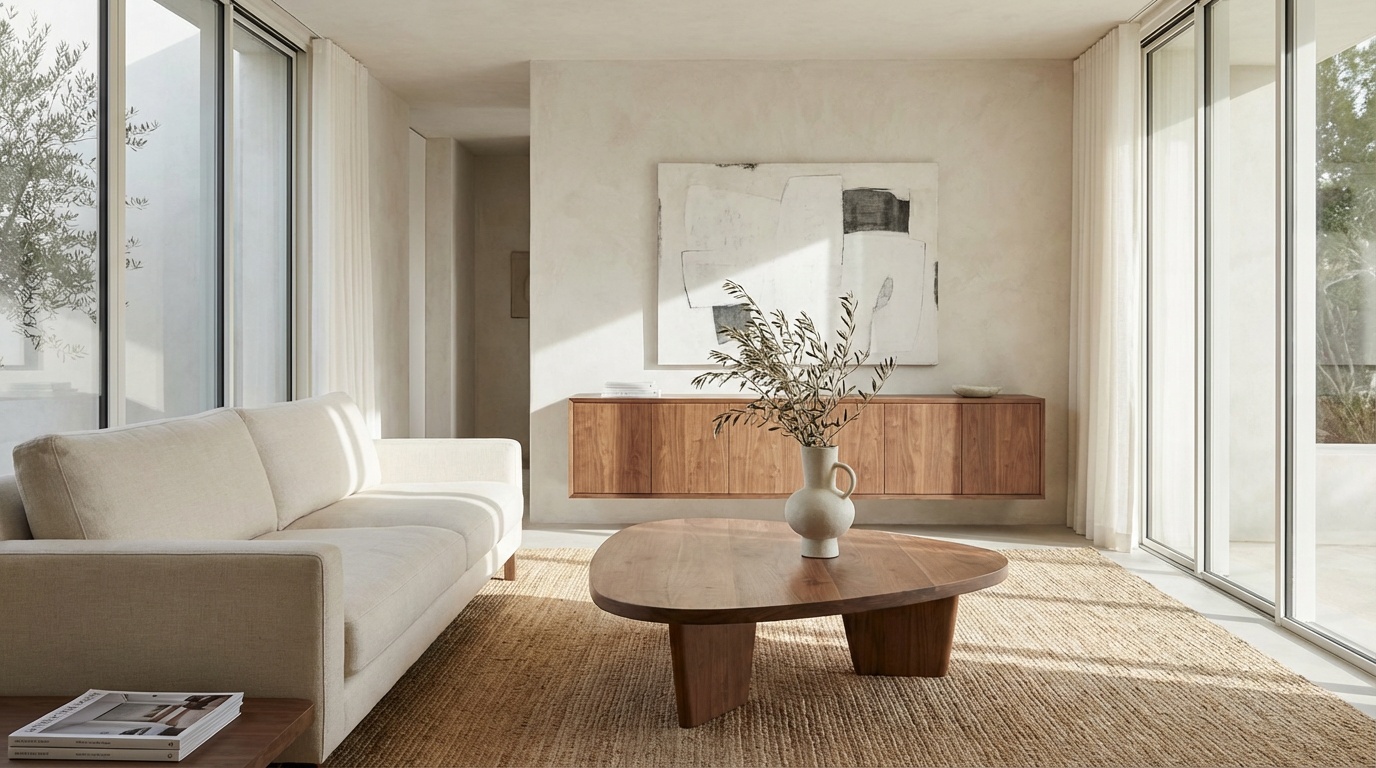
Minimalist design is rooted in the principle that less is more. This aesthetic philosophy emerged from several converging movements in the mid-20th century, drawing inspiration from Japanese Zen principles, the German Bauhaus movement, and Scandinavian functionalism. The term "minimalism" itself gained prominence in the 1960s and 70s, initially as an art movement before expanding into architecture and interior design.
At its core, minimalist style is characterized by simplicity, functionality, and intentionality. Every piece in a minimalist living room serves a purpose—either functional or deeply meaningful. This isn't about creating a cold, sterile environment; rather, it's about eliminating the unnecessary to make room for what truly matters. The philosophy extends beyond aesthetics to embrace a lifestyle of mindful consumption and appreciation for quality over quantity.
Today's homeowners are increasingly drawn to minimalism as an antidote to modern life's overwhelming complexity. In an age of information overload and consumer excess, a minimalist living room provides a physical and mental retreat. The style resonates particularly with urban dwellers working with limited square footage, remote workers seeking calm home environments, and those embracing sustainable living practices. The minimalist approach also aligns beautifully with contemporary architecture's emphasis on open floor plans and natural light.
What distinguishes minimalist design from similar styles is its deliberate restraint. While Scandinavian living room ideas might incorporate cozy textures and hygge elements, and contemporary spaces might feature bold statement pieces, minimalism maintains stricter discipline. The color palette remains neutral, ornamentation is virtually absent, and every element is carefully considered. Unlike stark modernism, however, minimalism can incorporate warmth through natural materials and thoughtful lighting, creating spaces that feel serene rather than cold.
What Defines Minimalist Style
Essential Elements for Your Minimalist Living Room
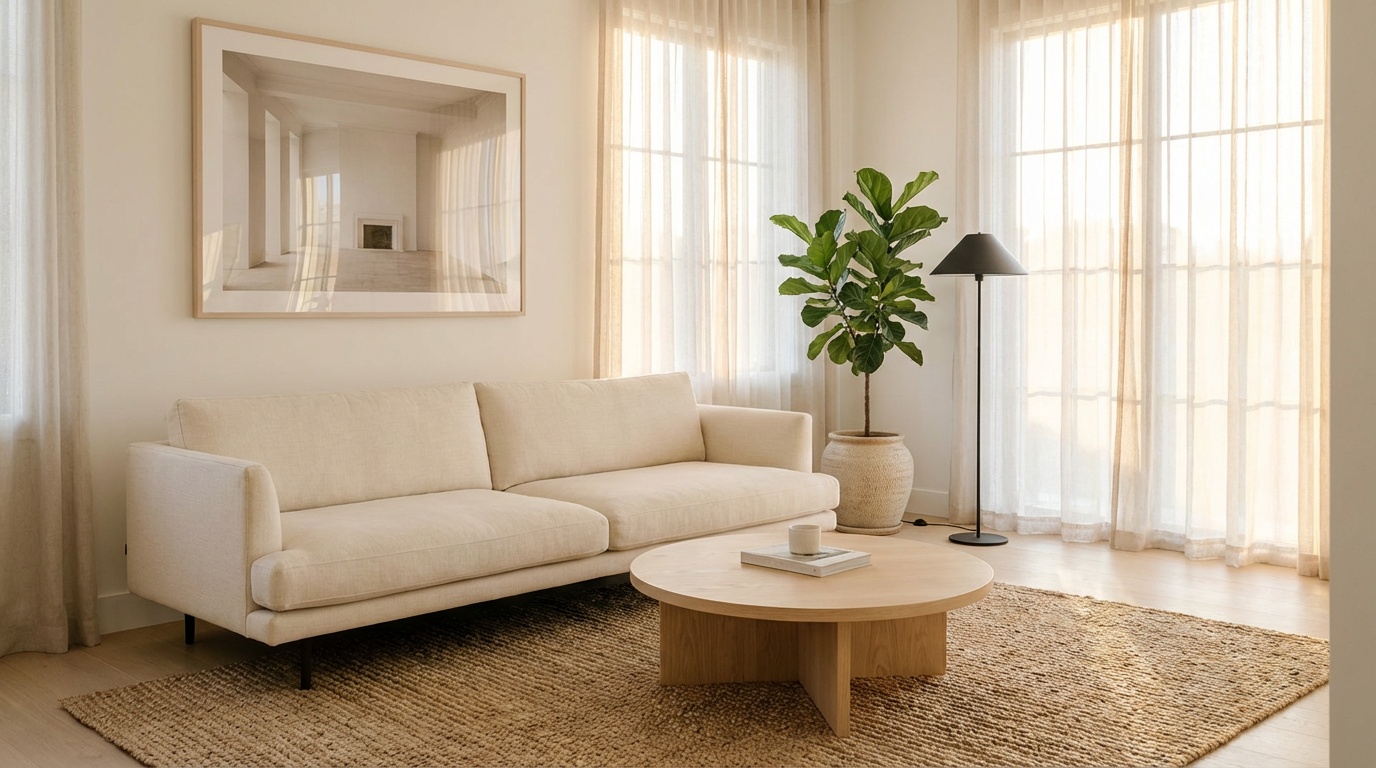
The foundation of any minimalist living room starts with carefully selected furniture pieces that prioritize both form and function. A low-profile sofa with clean lines serves as the anchor—look for pieces upholstered in neutral fabrics like linen, cotton, or wool in shades of white, cream, gray, or charcoal. The silhouette should be simple and geometric, without excessive cushioning, tufting, or decorative details. A three-seater sofa with track arms or no arms at all exemplifies the minimalist aesthetic perfectly.
Your coffee table should embrace simplicity through materials like solid wood, glass, or metal. Consider a rectangular or circular design with minimal ornamentation—perhaps a simple oak platform table, a glass top with slender metal legs, or a monolithic concrete piece. The key is selecting a table that doesn't visually compete with other elements in the room. Many minimalists opt for nesting tables that can be tucked away when not in use, maximizing flexibility.
Storage solutions are critical in minimalist spaces because clutter is the enemy of the aesthetic. Built-in shelving, floating cabinets, or sleek credenzas in wood or white lacquer keep belongings hidden while maintaining clean lines. Open shelving can work if styled with extreme restraint—think a few carefully chosen objects rather than crowded displays. A minimalist media console should conceal electronics and cables completely.
When it comes to seating beyond the sofa, consider one or two accent chairs with sculptural yet simple forms. Mid-century modern designs work beautifully here—think Eames lounge chairs or simple wooden armchairs with leather sling seats. Alternatively, a single floor cushion or pouf can provide flexible seating without visual weight.
Materials are crucial to achieving authentic minimalist style. Natural woods like oak, walnut, ash, and teak bring warmth without pattern or fuss. Metals should be matte or brushed rather than shiny—think brushed steel, black iron, or aged brass. For fabrics, choose natural fibers in solid colors: linen for its beautiful texture and slight irregularity, cotton for comfort, wool for warmth, and leather for its aging patina. Avoid synthetic materials, busy patterns, or anything overly decorative.
The living room specifically benefits from minimalist design because it's typically the home's social hub and most visible space. By removing visual clutter and excess furniture, you create a sense of spaciousness and calm that makes the room feel larger and more welcoming. The simplified environment also allows architectural features—whether beautiful windows, interesting ceiling heights, or quality flooring—to take center stage. For families, a minimalist living room paradoxically offers more usable floor space for activities despite having less furniture.
Essential Elements for Your Minimalist Living Room
Color Palettes & Combinations
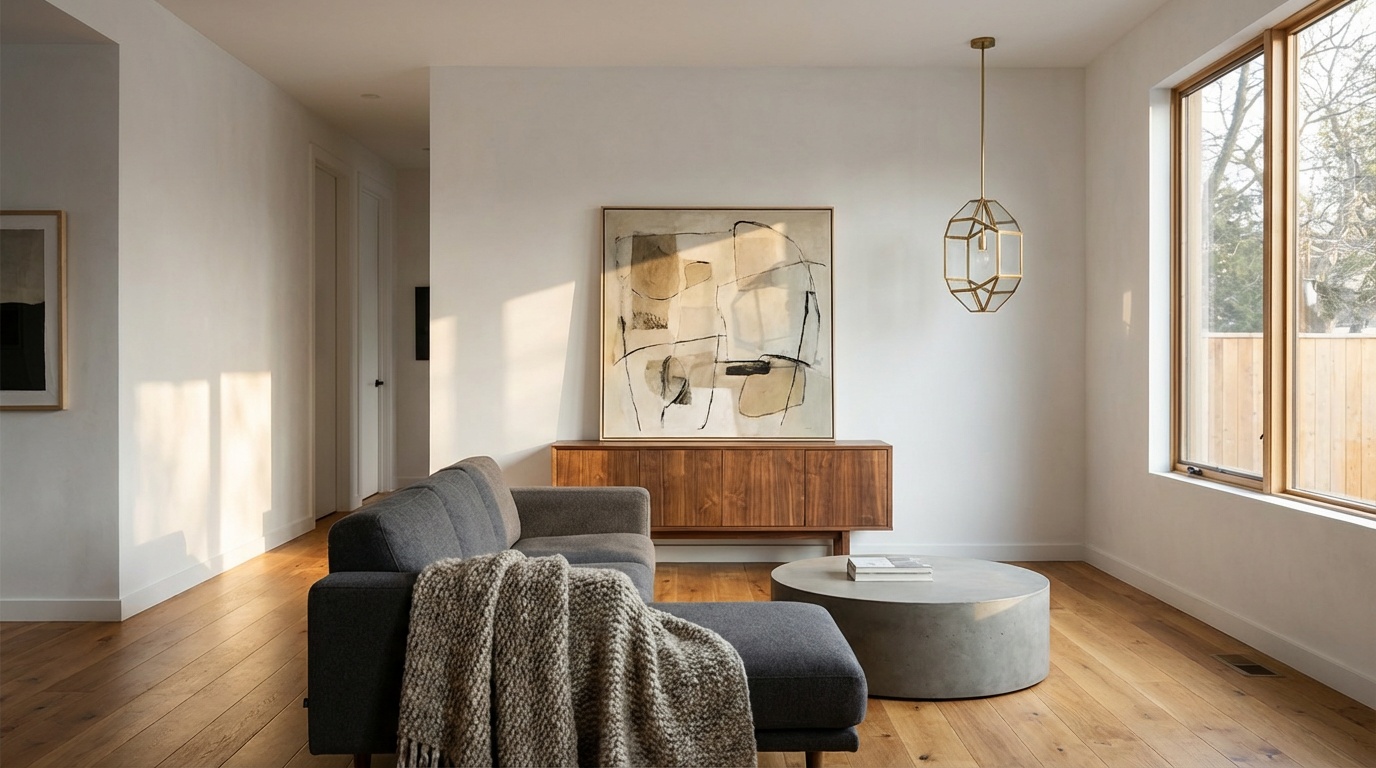
The minimalist color palette revolves around sophisticated neutrals that create a cohesive, calming atmosphere. Your primary palette should consist of three to four main colors that work harmoniously throughout the space. Start with soft white or warm ivory for walls—not stark white, which can feel clinical, but creamy tones with subtle warmth. Pair this with warm gray or greige (gray-beige) for larger furniture pieces, which provides depth without introducing color.
For wood tones, choose either light blonde oak for an airy Scandinavian feel, warm honey walnut for mid-century warmth, or deep charcoal-stained wood for dramatic contrast. Consistency is key—mixing multiple wood tones can feel chaotic, so select one primary wood finish and stick with it throughout the room. Your fourth foundational color might be soft black or charcoal used sparingly in metal fixtures, frames, or accent pieces to ground the space and add definition.
While minimalism celebrates restraint, accent colors prevent the space from feeling sterile. The key is using them with extreme discipline—think one or two accent pieces rather than scattered pops throughout. Dusty sage green brings natural calm, terracotta or rust adds earthy warmth, navy blue provides sophisticated depth, and warm taupe offers subtle richness. These accents might appear in a single throw pillow, a ceramic vase, or a piece of artwork—never more than 10% of the room's visual palette.
Balancing neutrals with color requires a 90-10 rule: 90% neutral foundation, 10% accent color maximum. Your walls, major furniture, and flooring should remain neutral, creating a blank canvas. Color enters through carefully chosen accessories—perhaps two sage green pillows on a cream sofa, or a single rust-colored throw blanket. This restraint makes each colored element feel intentional and impactful rather than scattered.
For seasonal variations, minimalists often swap accent colors rather than adding more items. Summer might call for cooler tones—soft blues or fresh greens—while winter invites warmer accents like camel, rust, or deep charcoal. The transformation happens through one or two swappable elements: pillow covers, a throw blanket, or a simple vase, keeping the foundational neutral palette constant year-round.
Color Palettes & Combinations
Lighting & Ambiance
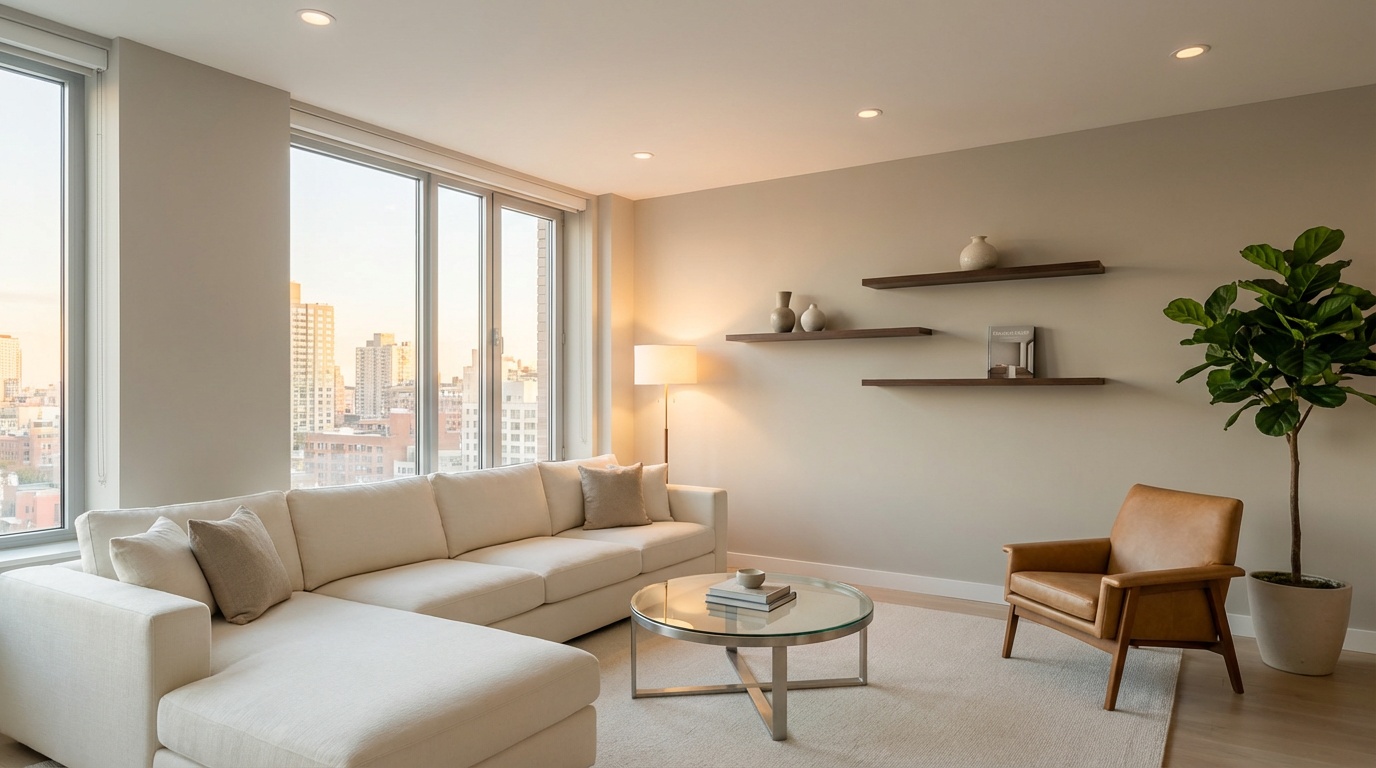
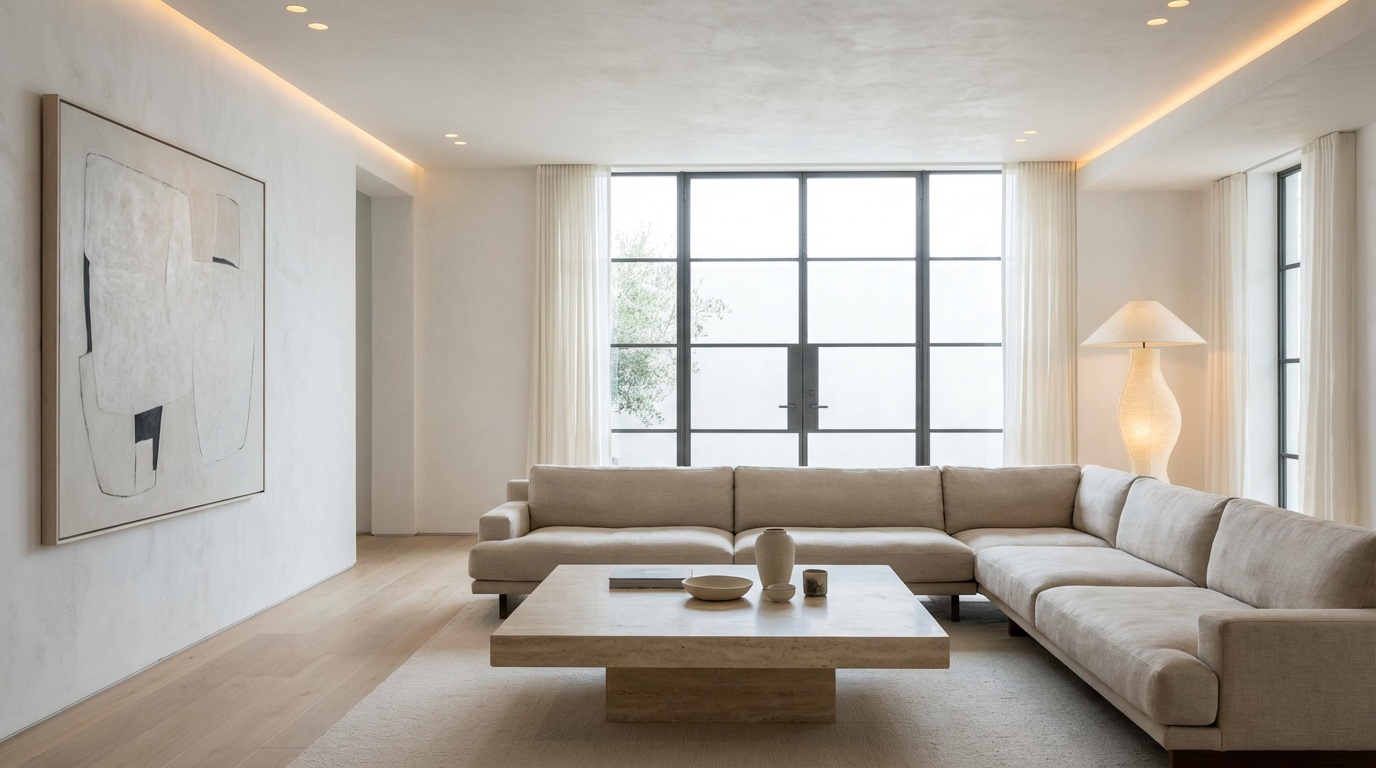
Lighting is perhaps the most crucial element in creating the right atmosphere for a minimalist living room. Natural light should be maximized and celebrated—it's free, beautiful, and aligns perfectly with minimalist values. Keep window treatments simple: sheer linen curtains, roller shades in neutral tones, or nothing at all if privacy permits. Avoid heavy drapes, valances, or busy patterns that compete for attention. Position your sofa and seating to take advantage of natural light, creating reading nooks near windows.
For artificial lighting, embrace the concept of layering three distinct types. Ambient lighting provides overall illumination—consider recessed ceiling lights on dimmers, or a single statement pendant with a simple geometric form. A paper lantern, a minimal dome pendant, or a sculptural globe fixture can serve as both light source and subtle focal point. The key is choosing fixtures that disappear into the architecture rather than demanding attention.
Task lighting serves specific functions like reading or working. A slender floor lamp with an adjustable arm positioned beside your sofa provides directed light without visual bulk. Look for designs with thin metal frames in black, brass, or brushed nickel, and simple cone or cylinder shades. Table lamps should be equally restrained—a ceramic column base in matte white or a minimal tripod design works beautifully on side tables or credenzas.
Accent lighting adds depth and dimension to your minimalist living room. Picture lights above artwork, LED strips hidden beneath floating shelves, or a simple uplighter in a corner can create subtle drama without cluttering the space. The goal is to create pools of light and shadow that add interest while maintaining the room's serene quality.
Fixture styles that complement minimalist design share common characteristics: clean geometric forms, quality materials, and lack of ornamentation. Think spherical pendants in frosted glass, linear floor lamps in matte black metal, or simple ceramic table lamps with linen drum shades. Avoid crystal chandeliers, ornate sconces, or anything with excessive detail. The fixture itself should be beautiful in its simplicity, not rely on decoration.
Creating mood through lighting placement involves thinking about how you actually use the space. Position ambient lighting to eliminate harsh shadows, place task lighting where you read or work, and use accent lighting to highlight the room's best features—whether that's a beautiful piece of art, an interesting architectural detail, or a treasured object. Dimmers are essential, allowing you to adjust brightness for different activities and times of day. Evening lighting should be warm and soft, creating a cocoon-like atmosphere that invites relaxation.
Lighting & Ambiance
Furniture & Decor Shopping Guide
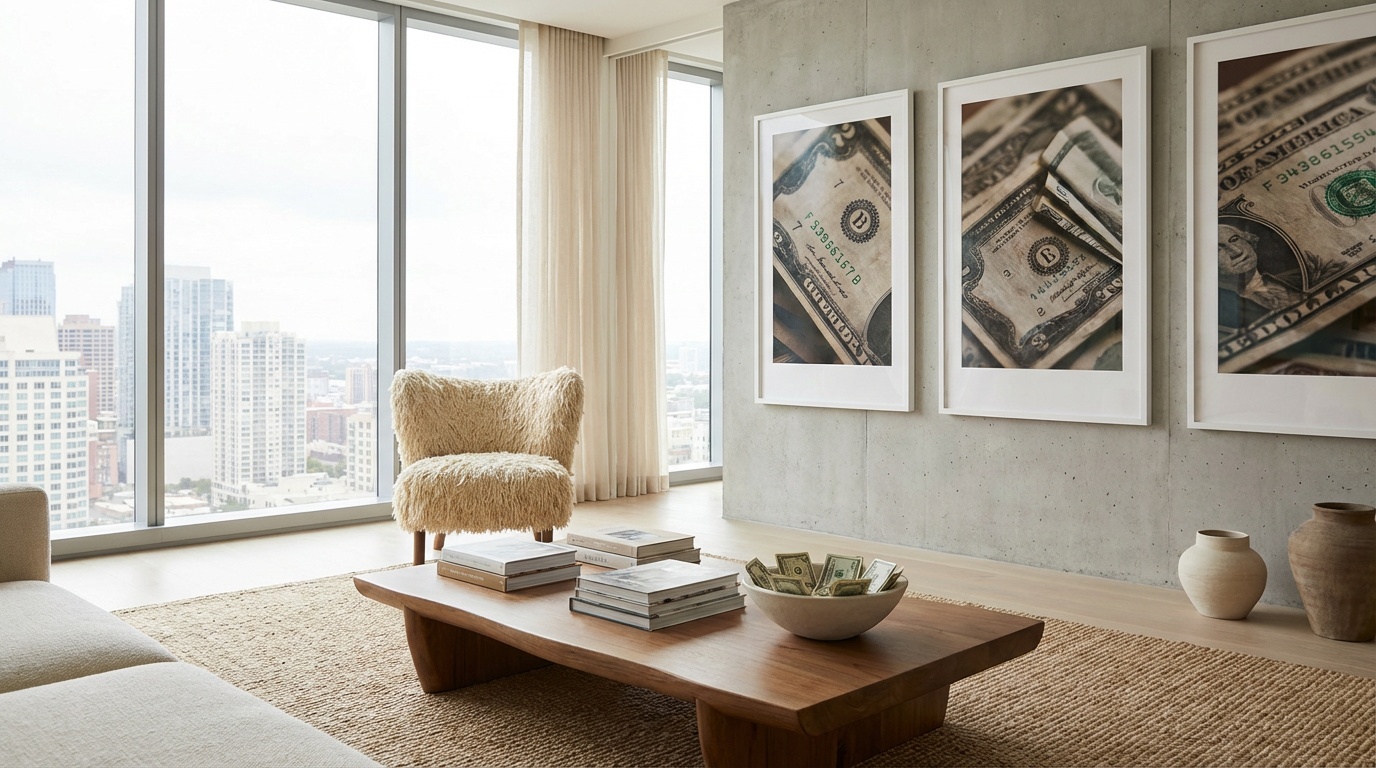
When building your minimalist living room, certain pieces deserve your investment dollars because they'll serve you for years and significantly impact the space's overall quality. A high-quality sofa is paramount—expect to spend $1,500-$4,000 for a well-constructed piece with a solid hardwood frame, quality cushioning, and durable upholstery. Brands like Article, West Elm, and Room & Board offer excellent minimalist options at mid-range prices, while Blu Dot and Herman Miller represent higher-end investments.
Your coffee table is another worthy investment, particularly if you choose solid wood or quality materials that age beautifully. A well-made piece in walnut or oak will develop character over time and can transition through multiple homes and design evolutions. Budget $400-$1,200 for quality here. Similarly, invest in one exceptional accent chair—whether a vintage mid-century find or a contemporary classic—that brings both function and subtle visual interest.
For budget-friendly alternatives, IKEA's minimalist offerings have improved dramatically, with lines like VIMLE for sofas and LISABO for wood furniture providing clean-lined options under $500. Target's Project 62 line offers affordable minimalist accessories, while Wayfair's vast selection includes numerous simple, geometric pieces at accessible price points. The key is choosing the simplest designs available, avoiding anything with excessive detail or ornamentation.
Vintage and secondhand finds work beautifully in minimalist spaces, particularly mid-century modern pieces from the 1950s-70s. Scour Facebook Marketplace, Craigslist, and estate sales for simple wood credenzas, sleek floor lamps, and clean-lined chairs. A vintage piece with honest wear and patina adds character without cluttering the aesthetic. Danish modern furniture, in particular, aligns perfectly with minimalist principles—teak sideboards, rosewood tables, and sculptural chairs from this era are both functional and beautiful.
For DIY projects, consider building your own coffee table from a simple wood slab and hairpin legs (under $150 in materials), creating floating shelves from solid wood boards and hidden brackets (under $100), or making simple linen pillow covers to refresh existing pillows (under $50). A DIY concrete side table using a mold and concrete mix costs under $30 and creates an industrial-minimalist statement piece. The beauty of minimalist DIY is that simple designs are often easier to execute successfully than complex projects.
When shopping, prioritize quality over quantity always. It's better to save for one excellent sofa than to buy a cheap one now and replace it in three years. This approach is both more economical long-term and more sustainable. Shop during major sales—many furniture retailers offer 20-30% off during Memorial Day, Labor Day, and Black Friday, making quality pieces more accessible.
Furniture & Decor Shopping Guide
Common Mistakes to Avoid
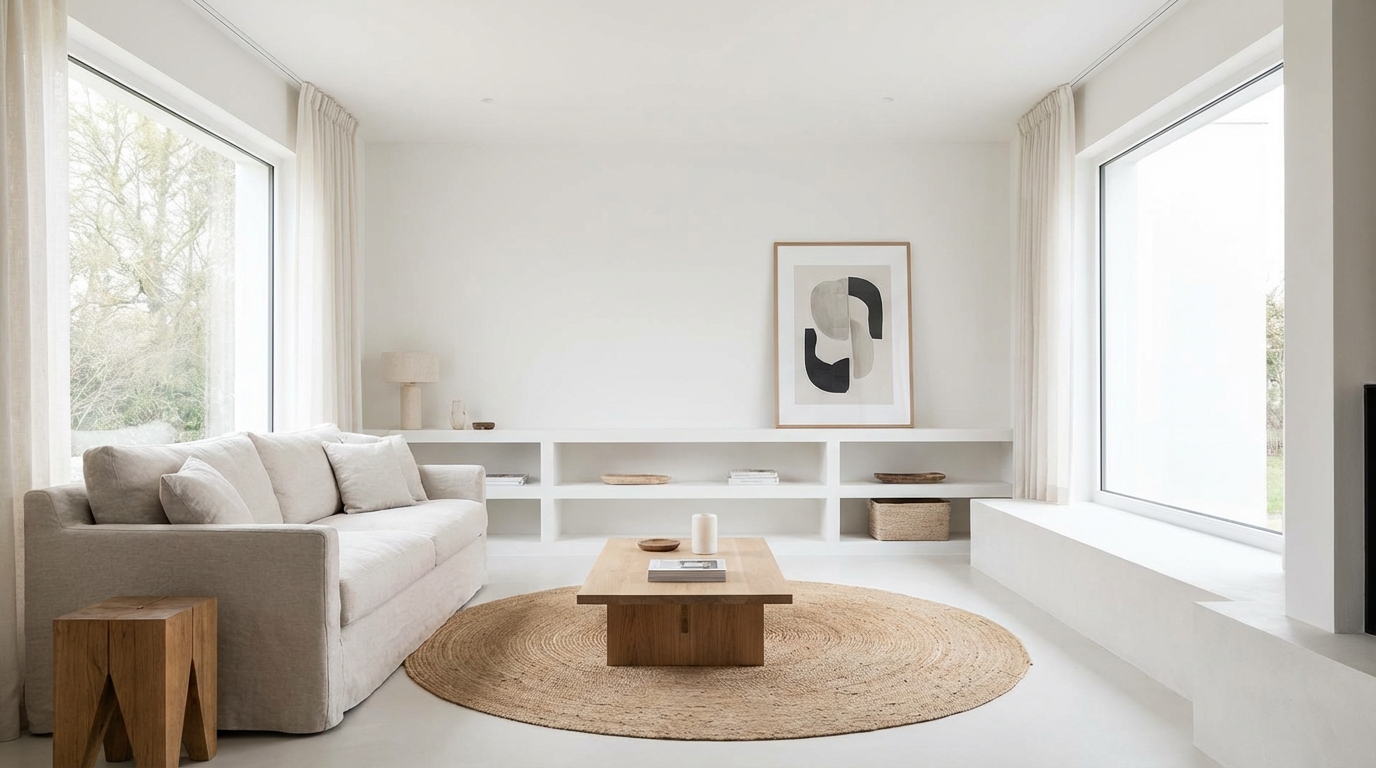
The first major mistake people make when designing a minimalist living room is confusing minimalism with emptiness. A truly minimalist space isn't bare or uncomfortable—it's thoughtfully curated. If your living room feels cold, unwelcoming, or like a showroom rather than a home, you've gone too far. Fix this by adding warmth through natural materials: a wool throw blanket, linen pillows, or a jute rug. Incorporate living plants, which bring life and organic shapes without clutter. The goal is serene simplicity, not sterile emptiness.
The second common error is neglecting texture in favor of color restraint. When you limit your color palette to neutrals, texture becomes essential for visual interest. A room with a white sofa, white walls, and smooth surfaces feels flat and boring. Layer different textures: a nubby linen sofa against smooth plaster walls, a chunky knit throw over leather, a rough jute rug beneath a sleek glass table. These textural variations create depth and richness while maintaining the neutral palette. Look for matte versus glossy finishes, rough versus smooth surfaces, and soft versus hard materials.
A third mistake is hiding all personal items and meaningful objects. Minimalism isn't about erasing your personality—it's about being selective. If you've removed every book, photograph, and personal item, your space lacks soul. Choose a few meaningful objects and display them with intention: perhaps three favorite books on the coffee table, one piece of art that truly moves you, or a single treasured object on a shelf. Quality over quantity applies to decor as well as furniture. Each displayed item should earn its place through beauty, meaning, or both.
The fourth error involves ignoring scale and proportion. Tiny furniture in a large room or oversized pieces in a small space disrupts the visual harmony minimalism requires. Your sofa should be appropriately sized for the room—not floating like a toy in a vast space or overwhelming a small one. Coffee tables should relate proportionally to seating height and distance. When pieces are properly scaled, the room feels balanced and intentional. If something feels "off," measure your furniture and room dimensions, then research appropriate sizing guidelines.
The fifth mistake is choosing trendy pieces over timeless design. Minimalism values longevity and classic form, yet people sometimes fill their spaces with whatever's currently popular. That Instagram-famous accent chair might feel dated in two years, breaking the timeless quality minimalism strives for. Instead, choose classic designs with proven staying power: a simple Chesterfield sofa, a mid-century credenza, or a Noguchi-inspired coffee table. These pieces have remained relevant for decades and will continue to do so. Signs your space is missing the mark include feeling trendy rather than timeless, cluttered despite having few items, or uncomfortable and unwelcoming.
Common Mistakes to Avoid
Styling for Different Budgets & Spaces
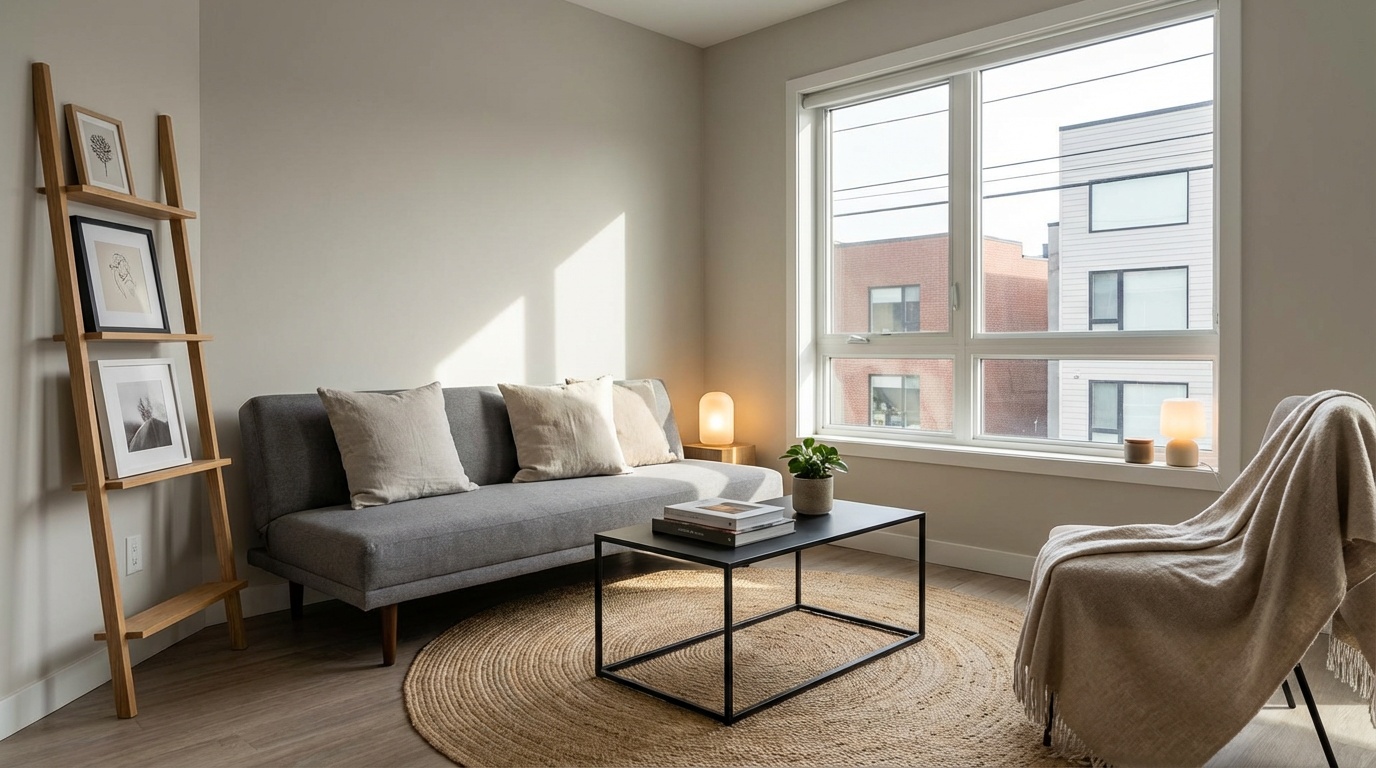
Minimalist design actually works beautifully in small spaces because it maximizes the sense of openness. In a compact living room, choose a loveseat or apartment-sized sofa (72-78 inches) instead of a full-size sectional. Mount your TV on the wall rather than using a bulky console, or skip the TV entirely in favor of a projector system. Use furniture with exposed legs rather than skirted pieces—seeing floor beneath furniture makes the room feel more spacious. A glass coffee table maintains function while creating visual lightness. Mirrors strategically placed opposite windows amplify natural light and create depth. Most importantly, be ruthless about what you keep in the space—in small rooms, every item's presence is magnified.
For rental-friendly approaches, focus on furniture and accessories rather than permanent changes. You can create a stunning minimalist living room without painting walls, installing fixtures, or making structural changes. Invest in quality furniture pieces you'll take with you: a great sofa, a beautiful rug, and flexible lighting like floor and table lamps. Use removable wallpaper in a subtle texture if you want to change wall color. Tension rods with simple curtains soften windows without drilling. The advantage of renting is that it forces you to focus on movable elements, which is perfectly aligned with minimalist principles anyway.
For transformations under $500, prioritize decluttering and rearranging first (free), then invest in one quality piece—perhaps a $300 coffee table or $400 floor lamp. Supplement with budget finds: IKEA shelving ($50-100), Target pillows ($20-40 each), and secondhand accent chairs ($100-200). A large jute rug from Rugs USA might cost $150-200, instantly grounding the space. This budget works best when you already have a decent sofa and are refreshing around it.
With $500-2,000, you can make significant changes. Allocate $800-1,200 for a quality sofa or invest in a statement coffee table ($400-600) plus accent chair ($400-600). Budget $200-300 for lighting, $150-250 for a rug, and $200-300 for accessories like pillows, throws, and minimal decor. This tier allows you to replace one or two major pieces while refreshing everything else, creating a cohesive minimalist aesthetic. Shop sales strategically to maximize this budget—a $1,500 sofa often goes on sale for $1,000.
To phase the transformation over time, start with decluttering and rearranging (month 1), then invest in your largest piece—typically the sofa (month 2-3). Add a coffee table (month 4), followed by lighting (month 5), then rug and textiles (month 6). This approach spreads costs over six months while allowing you to live with each change before adding the next. You'll also make better decisions because you're not rushing to furnish everything at once. Many people find that after decluttering and adding one quality piece, they need less than they originally thought—a very minimalist realization.
Styling for Different Budgets & Spaces
Bringing Your Vision to Life
Before purchasing a single item, start with visualization. The most expensive mistake in interior design is buying pieces that don't work together or don't suit your space. Traditionally, this meant creating mood boards, sketching layouts, or hiring a designer—all time-consuming and sometimes costly approaches. The challenge with minimalist design is that it requires precise cohesion; even one wrong piece disrupts the carefully balanced aesthetic.
This is where RoomStudioAI becomes invaluable for anyone designing a minimalist living room. Rather than imagining how that cream linen sofa might look against your walls or whether a particular coffee table suits your space, you can see it instantly. The AI-powered tool transforms your actual living room photo into various design styles, including minimalist, allowing you to experiment risk-free before spending a dollar.
The process is remarkably simple: upload a photo of your current living room, select the minimalist style, and within seconds, see your space reimagined with clean lines, neutral palettes, and carefully curated furniture. You can try different variations—perhaps one with warmer wood tones, another with cooler grays, or a version with slightly different furniture arrangements. This experimentation would be impossible in real life without enormous expense and effort, but digitally, you can explore endless possibilities.
What makes this approach particularly powerful for minimalist design is that you can see how less really can be more in your specific space. Sometimes removing that extra side table or simplifying your gallery wall creates the breathing room the style requires. RoomStudioAI helps you visualize these subtractive changes alongside additive ones, showing you exactly which elements to keep, remove, or replace.
The tool also helps you communicate your vision if you're working with a partner or family members who might be skeptical about minimalism. Rather than describing your ideas abstractly, you can show them: "Here's our living room as it is now, and here's how it could look with minimalist design." This visual clarity often wins over doubters and ensures everyone's on the same page before making changes.
Once you've used RoomStudioAI to identify your ideal minimalist aesthetic, you can shop with confidence, knowing exactly what you're looking for. You might even take the AI-generated images with you (on your phone) when furniture shopping, ensuring pieces match your vision. This focused approach prevents impulse purchases and buyer's remorse—very minimalist outcomes indeed.
Ready to see your living room transformed? Try RoomStudioAI and discover how minimalist design can bring calm, clarity, and beauty to your space. Upload a photo, experiment with different minimalist variations, and find the perfect balance of simplicity and warmth for your home. Whether you're working with a small apartment or a spacious house, a tight budget or room to invest, minimalist living room design offers a timeless approach to creating spaces that truly feel like home—uncluttered, intentional, and deeply peaceful.