What Defines Cottagecore Style
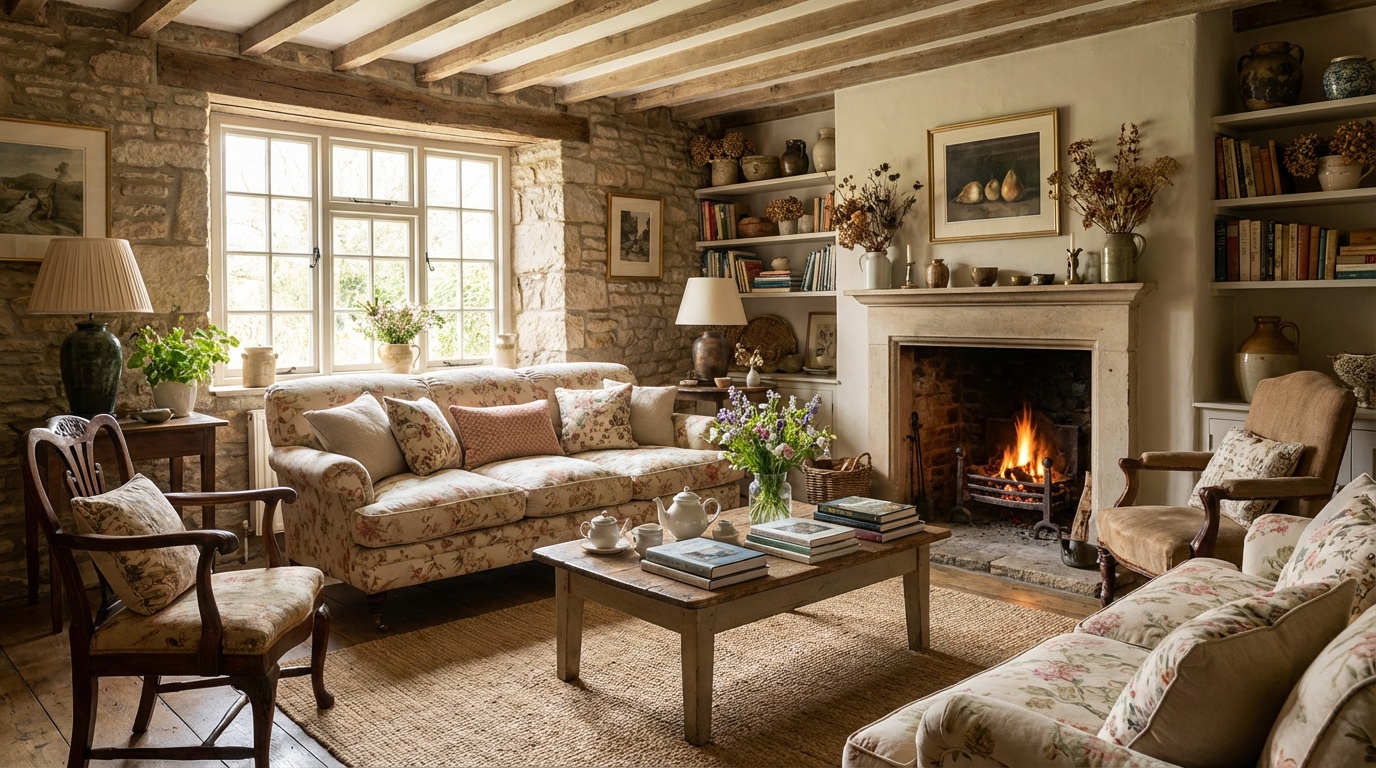
Cottagecore is more than just an interior design trend—it's a romanticized celebration of rural life, traditional crafts, and a return to nature. At its heart, this aesthetic embraces the beauty of imperfection, the warmth of handmade items, and the peaceful simplicity found in countryside living. Think sun-drenched meadows, wildflower bouquets in ceramic pitchers, worn wooden furniture that tells a story, and textiles that invite you to curl up with a good book.
The cottagecore movement emerged from internet culture in the late 2010s, gaining significant momentum during the pandemic when people craved comfort, connection to nature, and nostalgic escapism. However, its roots reach much deeper into design history. The aesthetic draws inspiration from English country cottages, the Arts and Crafts movement of the late 19th century, pastoral romanticism in art and literature, and even the farmhouse revival that's been evolving for decades. What makes cottagecore distinct is its unapologetic embrace of femininity, whimsy, and fantasy—it's not trying to be practical or modern, but rather transporting you to an idealized version of rural life.
This style resonates with modern homeowners for several compelling reasons. In our technology-saturated world, cottagecore offers a visual and emotional antidote to minimalist, sleek interiors that can feel cold or impersonal. It celebrates sustainability through vintage and secondhand pieces, aligns with growing interest in slow living and mindfulness, and creates spaces that prioritize comfort and emotional well-being over aesthetic perfection. The cottagecore living room becomes a sanctuary—a place to disconnect from screens and reconnect with tactile, beautiful objects that spark joy.
What distinguishes cottagecore from similar aesthetics like farmhouse or shabby chic? While farmhouse style often incorporates industrial elements and tends toward a more neutral, sometimes stark palette, cottagecore is softer, more romantic, and unabashedly decorative. Unlike shabby chic, which emphasizes distressed furniture and pastel paint treatments, cottagecore embraces natural wood tones, deeper vintage colors, and a more organic approach to patina. It's also more nature-focused than traditional country style, with botanical prints, fresh flowers, and natural materials taking center stage.
What Defines Cottagecore Style
Essential Elements for Your Cottagecore Living Room
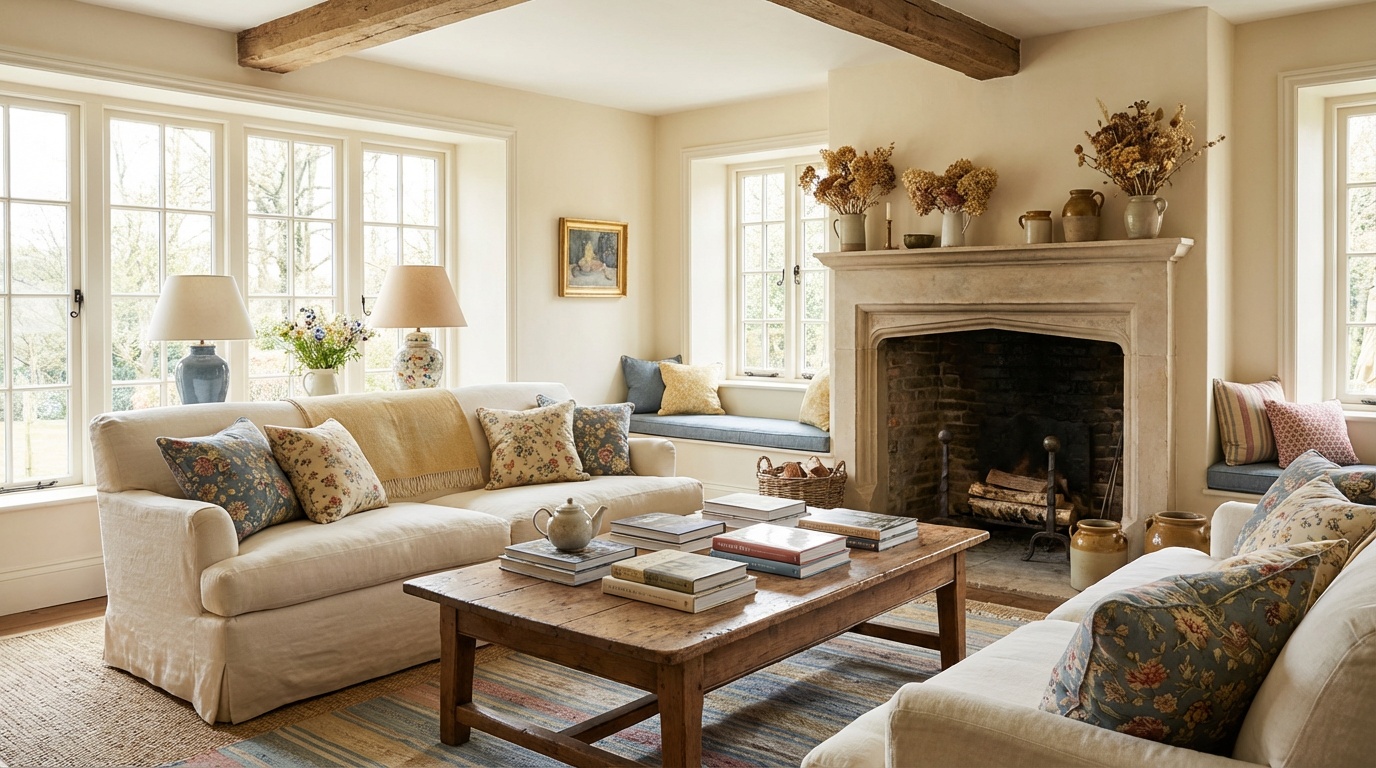
Creating an authentic cottagecore living room starts with selecting the right foundational pieces. The furniture should feel collected over time rather than purchased as a matching set, with each piece contributing to the overall narrative of comfort and pastoral charm.
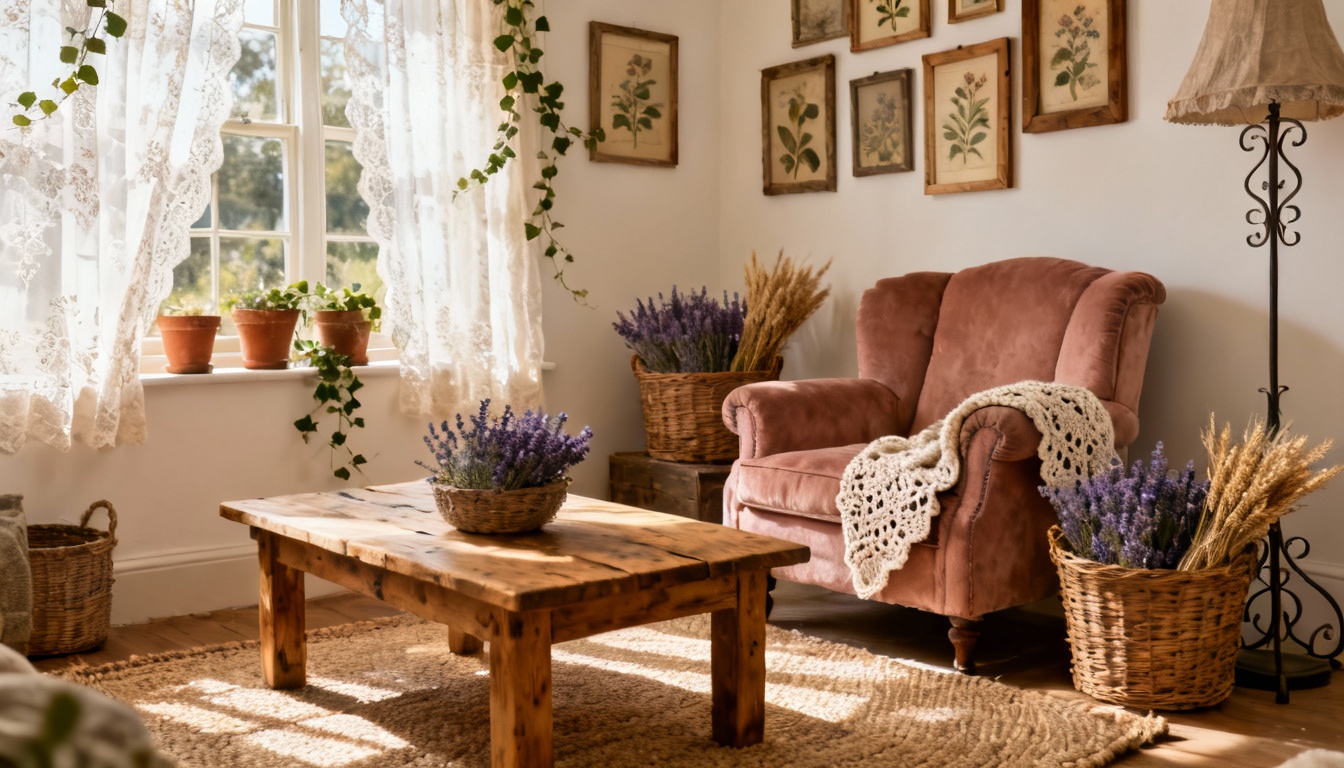
Seating is paramount in a cottagecore living room, as this style prioritizes gathering and coziness. Look for a vintage-inspired sofa with rolled arms upholstered in linen, cotton, or even a faded floral tapestry fabric. Avoid sleek, low-profile modern sofas—instead, choose pieces with a bit of height and traditional silhouettes. Complement your sofa with mismatched armchairs: a wingback chair in worn velvet, a wooden rocking chair with cushions, or an overstuffed reading chair draped with a crocheted throw. The key is variety in texture and form while maintaining a cohesive color story.
For coffee and side tables, natural wood is essential. Seek out pieces in oak, pine, or cherry with visible grain and character. A vintage trunk or wooden chest makes an excellent coffee table while providing storage for blankets and books. Side tables might include a small round pedestal table, a rustic wooden stool, or even a repurposed plant stand. The imperfections—nicks, variations in finish, slight wobbles—add to the charm rather than detract from it.
Storage solutions should be both functional and beautiful. An antique wooden bookshelf or hutch becomes a display space for your collection of vintage books, ceramic vessels, and treasured objects. A Welsh dresser or farmhouse cabinet with glass doors showcases pretty dishware or botanical specimens. Woven baskets in various sizes tucked into corners or under tables provide practical storage while reinforcing the natural material palette.
The materials that define cottagecore furniture include unfinished or lightly stained woods (avoid anything too glossy or dark), natural fiber upholstery like linen, cotton, and wool, wicker and rattan for accent pieces, wrought iron in delicate scrollwork patterns, and ceramic and stoneware for decorative objects. Avoid plastic, chrome, glass, or anything overtly modern in finish.
For the living room specifically, cottagecore creates an atmosphere of intimate gathering and leisurely pastimes. This is where you'll want to curl up for afternoon tea, work on embroidery projects, read poetry, or simply gaze out the window at the garden. The furniture arrangement should facilitate these activities with plenty of comfortable seating, good natural light, and surfaces for setting down a teacup or book.
Essential Elements for Your Cottagecore Living Room
Color Palettes & Combinations
The cottagecore color palette draws directly from nature—think of walking through an English garden or countryside meadow and translating those hues into your living room. The foundation consists of warm, earthy neutrals punctuated by soft, muted botanicals.
Your primary palette should include:
- Warm cream or buttermilk white: This serves as your base neutral, softer and warmer than stark white, with undertones of yellow or beige
- Dusty sage green: A muted, grayed green that evokes herb gardens and lichen-covered stones
- Warm honey oak or natural pine: The color of unfinished or lightly stained wood furniture
- Soft terracotta or clay: Earthy peachy-brown tones that add warmth without being too bold
For accent colors, layer in:
- Faded rose or dusty pink: Think of dried roses or sunset skies, never bright or neon
- Butter yellow: Soft and warm, like afternoon sunlight or fresh butter
- Muted lavender: Gentle purple tones reminiscent of dried lavender bundles
- Deep forest green: Richer green for grounding and depth, used sparingly
- Warm rust or burnt orange: Autumn leaf tones that add richness
Balancing these colors requires a thoughtful approach. Your walls should typically be in the cream to warm white range, creating a light, airy backdrop that maximizes natural light. Some cottagecore enthusiasts embrace soft sage or pale pink walls, which can be stunning if your room receives good natural light. Avoid cool grays or stark whites that read too modern.
Furniture introduces your medium tones—the natural wood pieces, a sage green painted cabinet, or a terracotta-colored armchair. These pieces should feel substantial but not overwhelming. Textiles and decor are where you can play with pattern and deeper accent colors. A faded floral sofa in rose and sage, throw pillows in butter yellow linen, a rust-colored wool throw, and botanical prints in forest green all work together because they share a common thread: they're all slightly muted and warm-toned.
The distribution follows this general rule: 60% warm neutrals (walls, larger furniture pieces, foundational textiles), 30% soft primary colors (upholstered pieces, curtains, larger decorative items), and 10% deeper accent colors (throw pillows, small decor objects, artwork).
Seasonally, you can shift your cottagecore palette. Spring and summer might emphasize the lighter end of the spectrum—more creams, butter yellows, and soft pinks with fresh flowers in abundance. Autumn and winter can lean into deeper tones—more rust, forest green, and warm terracotta, with dried flowers and woolen textiles taking precedence. This seasonal rotation keeps the space feeling connected to nature's rhythms.
Color Palettes & Combinations
Lighting & Ambiance
Lighting in a cottagecore living room should feel as natural and gentle as possible, mimicking the quality of sunlight filtering through lace curtains or the warm glow of candlelight on a winter evening.
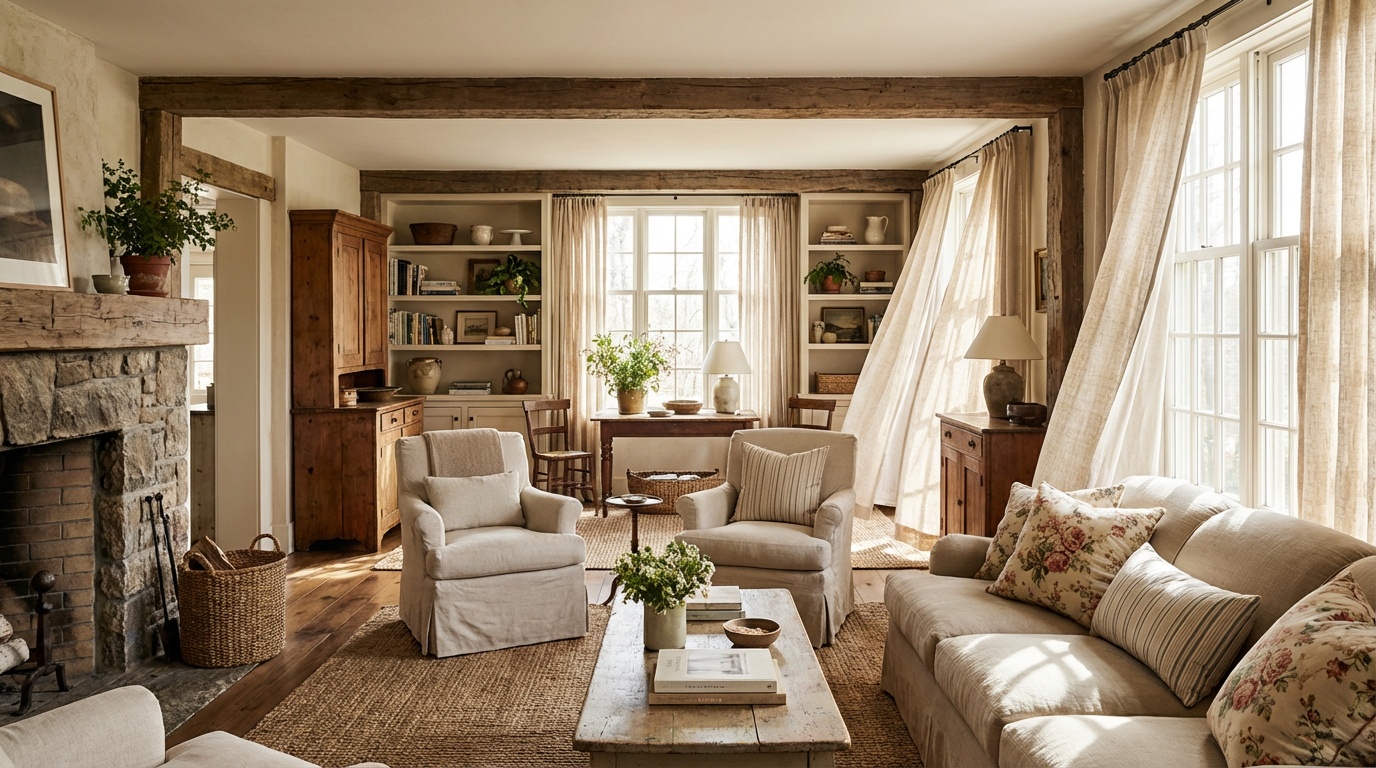
Natural light is your most important design element. Maximize it by keeping windows unobstructed or dressed with sheer linen or cotton curtains that diffuse light beautifully. Avoid heavy blackout curtains or modern blinds. Instead, opt for vintage-style lace panels, simple tab-top curtains in natural fabrics, or wooden shutters that can be adjusted throughout the day. If privacy is a concern, use cafe curtains that cover only the lower half of windows, allowing light to pour in from above.
Position your seating to take advantage of natural light—place your reading chair near a window, angle your sofa to catch afternoon sun. The cottagecore aesthetic celebrates the changing quality of daylight throughout the day, so embrace those shifts rather than trying to maintain consistent artificial brightness.
For artificial lighting, think in layers but keep fixtures simple and traditional. Your ambient lighting might come from a vintage-style ceiling fixture with a fabric shade, a wrought iron chandelier with candle-style bulbs, or even a flush-mount fixture with a frosted glass shade. Avoid recessed lighting or track lighting, which feel too contemporary. Choose warm white bulbs (2700-3000K) that mimic candlelight rather than cool daylight bulbs.
Task lighting for reading and handwork is essential. Place table lamps with fabric shades on side tables—look for ceramic bases in cream or floral patterns, turned wood bases, or even converted oil lamp styles. A floor lamp with an adjustable arm positioned near your reading chair provides focused light without being visually intrusive. The shades should be fabric (linen, cotton, or even floral-patterned) rather than glass or metal.
Accent lighting creates the magical ambiance that cottagecore is known for. String fairy lights along a bookshelf or mantel (yes, even in a living room—the whimsy is intentional). Display pillar candles in various heights on a wooden tray or vintage cake stand. Use lanterns with LED candles for safety while maintaining the aesthetic. A small Himalayan salt lamp on a bookshelf adds warm, peachy light. The goal is to create pools of warm, gentle light throughout the room rather than even, bright illumination.
In the evening, your cottagecore living room should feel like a candlelit sanctuary. Layer multiple small light sources rather than relying on one overhead fixture. Dim lighting encourages relaxation and creates the cozy, intimate atmosphere that defines this style. Consider installing dimmer switches on any overhead fixtures to control the ambiance throughout the day.
Lighting & Ambiance
Furniture & Decor Shopping Guide
Creating a cottagecore living room doesn't require an unlimited budget, but knowing where to invest and where to save makes all the difference.
Investment pieces worth splurging on include your primary seating. A quality sofa in a natural fabric will be used daily and sets the tone for the entire room. Look for pieces with hardwood frames and traditional construction that will last for years. Similarly, a solid wood bookshelf or cabinet is worth the investment—these pieces provide both function and visual weight, and quality vintage or new solid wood furniture appreciates in value. A handmade wool rug in a vintage or botanical pattern anchors the space and withstands wear better than synthetic alternatives.
Budget-friendly alternatives abound for cottagecore style. Instead of expensive new furniture, thrift stores, estate sales, and Facebook Marketplace are goldmines for affordable pieces that fit the aesthetic perfectly. A $30 wooden side table from a thrift store often has more character than a $200 new one. For textiles, HomeGoods, TJ Maxx, and Target regularly stock linen-look curtains, floral throw pillows, and cotton throws at accessible prices. IKEA offers several pieces that work well with cottagecore when styled properly—their EKTORP sofa in a slipcover, HEMNES bookcases, and LISABO tables all have the right lines and can be dressed up with vintage finds.
Where to shop depends on your budget and preferences:
- Vintage and antique: Etsy, Chairish, local antique malls, estate sales, Craigslist, Facebook Marketplace
- New traditional furniture: Pottery Barn, Anthropologie (home section), Wayfair (filter for farmhouse/cottage styles), World Market
- Budget-friendly: Target (Threshold and Hearth & Hand lines), IKEA, HomeGoods, Amazon (search "farmhouse" or "cottage" style)
- Textiles and soft goods: LinenMe, Magic Linen, Society6 (for botanical prints), H&M Home, Zara Home
- Decor and accessories: Terrain, local farmers' markets (for handmade items), craft fairs, Etsy
Vintage and secondhand finds that work beautifully in cottagecore living rooms include:
- Wooden dough bowls (perfect for displaying dried flowers or candles)
- Vintage botanical prints or oil paintings of landscapes
- Ceramic pitchers and crocks (use as vases)
- Old books with beautiful spines for bookshelf styling
- Lace doilies and embroidered linens (frame them or use as table toppers)
- Wooden crates and boxes (for storage and display)
- Wicker baskets in all sizes
- Vintage quilts and crocheted afghans
DIY projects can achieve the cottagecore look affordably:
- Paint furniture: Transform a basic wooden piece with chalk paint in sage green or cream
- Make your own throw pillows: Buy vintage floral fabric or linen and sew simple envelope-back pillows
- Create botanical art: Press flowers and frame them in thrifted frames
- Dye curtains with tea or coffee: Give white cotton curtains an aged, warm tone
- Macramé plant hangers: Hang trailing plants near windows
- Refinish a thrifted table: Strip and restain or simply clean and wax for a natural look
- Make dried flower arrangements: Grow or buy fresh flowers, dry them, and display in vintage vessels
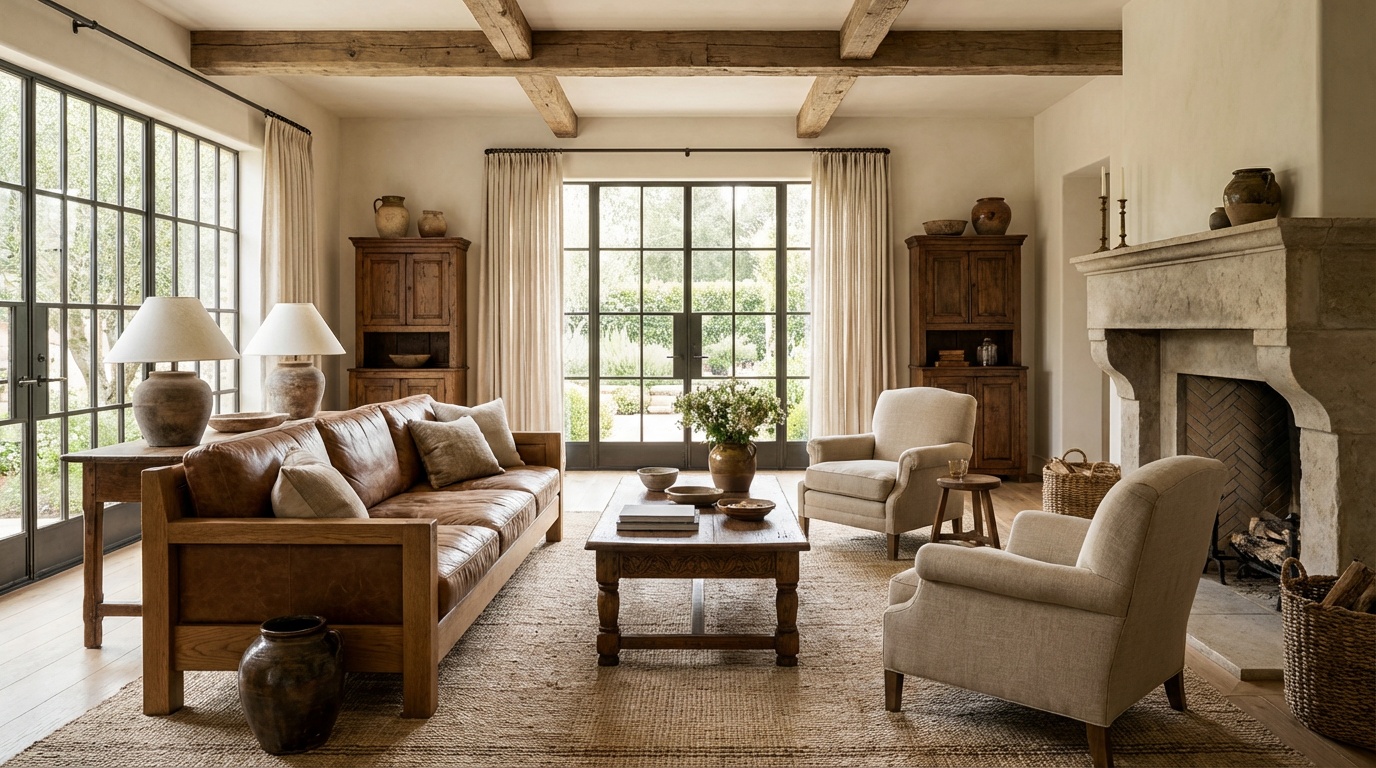
Furniture & Decor Shopping Guide
Common Mistakes to Avoid
Even with the best intentions, it's easy to miss the mark when creating a cottagecore living room. Here are the top mistakes and how to fix them:
Mistake #1: Going too matchy-matchy Cottagecore should feel collected over time, not purchased from a single showroom. If all your furniture matches perfectly—same wood tone, same style, same era—it loses the authentic, lived-in quality that defines the aesthetic.
How to fix it: Intentionally mix wood tones (a pine coffee table with an oak bookshelf), combine different furniture eras (a Victorian chair with a rustic farmhouse table), and vary your upholstery patterns and textures. The cohesion comes from your color palette, not from matching furniture sets.
Mistake #2: Neglecting comfort for aesthetics A living room that looks cottagecore but feels uncomfortable defeats the entire purpose. This style is about creating a cozy, livable space, not a museum.
How to fix it: Test furniture for comfort before buying. Add plenty of cushions and throws even if they slightly obscure that beautiful vintage upholstery. Ensure your seating is arranged for actual conversation and activities, not just for looks. If a piece is beautiful but unusable, it doesn't belong in your cottagecore living room.
Mistake #3: Using too many bold, bright colors Cottagecore is characterized by soft, muted tones. Introducing bright pink, electric blue, or vivid yellow disrupts the gentle, nostalgic atmosphere.
How to fix it: If you have colorful pieces you love, consider whether they can be toned down (painting furniture, dyeing fabrics) or relocated to another room. Stick to the muted, warm-toned palette. Even your florals should be faded or dusty rather than vibrant and saturated.
Mistake #4: Incorporating too many modern elements A sleek modern TV, contemporary art, or minimalist decor creates jarring contrast in a cottagecore space.
How to fix it: Conceal modern necessities—hide your TV in a vintage cabinet or behind a fabric panel when not in use. If you need modern electronics visible, choose designs in neutral colors that blend into the background. Frame your TV with vintage decor to minimize its visual impact. For items like modern living room ideas, the TV is a focal point, but in cottagecore, it should disappear.
Mistake #5: Over-cluttering with too many small decorative items While cottagecore embraces decorative objects, there's a line between charming abundance and overwhelming clutter. Too many knick-knacks create visual chaos rather than cozy charm.
How to fix it: Edit ruthlessly. Group small items together on trays or in vignettes rather than scattering them everywhere. Follow the principle of curated abundance—display your favorite pieces and rotate others seasonally. Every surface doesn't need to be covered. Leave breathing room for the eye to rest.
Signs your space is missing the mark: If your room feels cold or sterile, you need more textiles and warm tones. If it feels chaotic or stressful, you've over-cluttered and need to edit. If it feels staged or uncomfortable, you've prioritized aesthetics over livability. If it feels generic or trendy rather than timeless and personal, you haven't incorporated enough vintage or meaningful pieces.
The balance between over-styling and under-styling requires trusting your instincts. Under-styled cottagecore can feel sparse and unfinished—a few pieces of wooden furniture don't create the aesthetic alone. Over-styled cottagecore feels like a theme park or costume rather than a real living space. Aim for the middle: a room that feels intentionally decorated and abundantly cozy but still functional and personal.
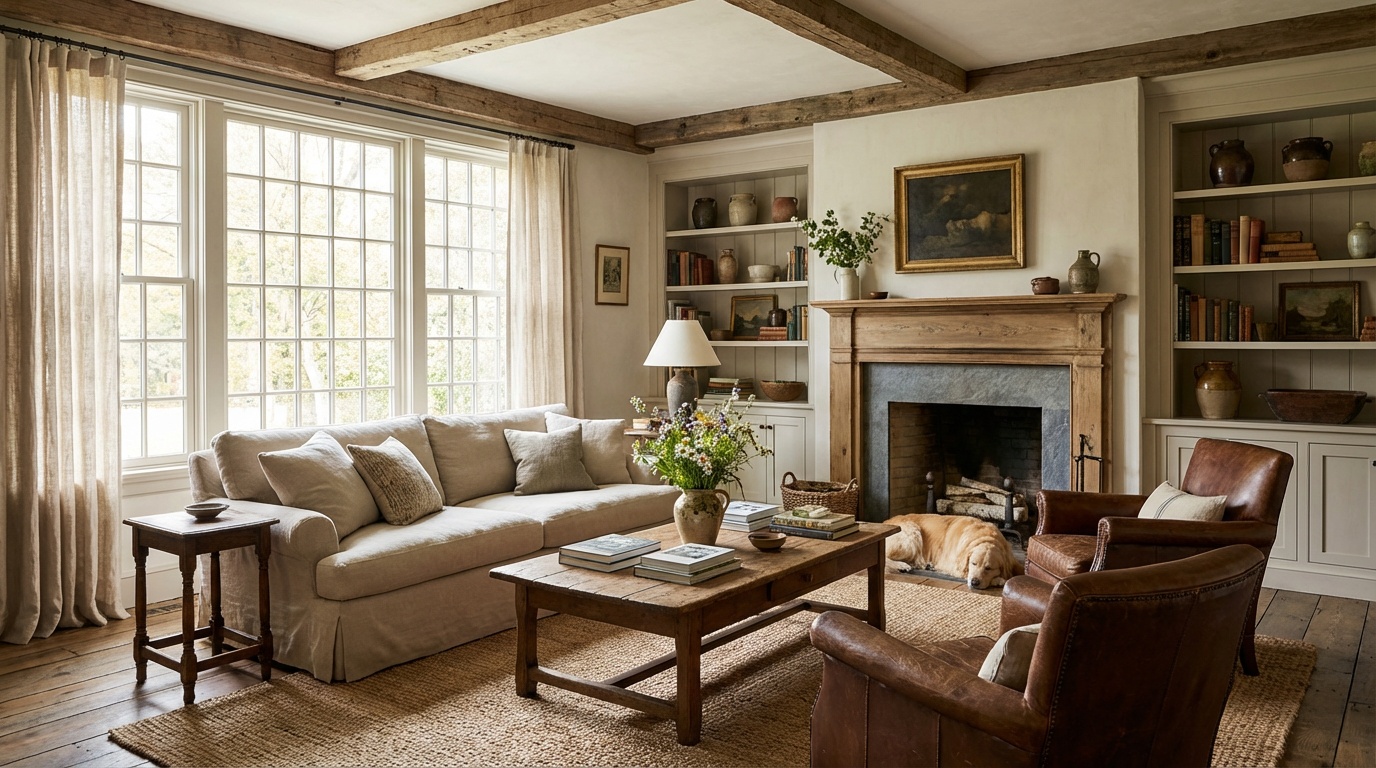
Common Mistakes to Avoid
Styling for Different Budgets & Spaces
Cottagecore is remarkably adaptable to various space constraints and budget limitations. The key is understanding the style's core principles and applying them at whatever scale works for your situation.
Small space adaptations require strategic choices. In a compact living room, focus on multi-functional furniture: a storage ottoman instead of a coffee table, a bookshelf that also displays decor, a sofa with a pull-out bed for guests. Choose lighter wood tones and more cream/white in the color palette to keep the space feeling open. Vertical storage like tall, narrow bookcases draws the eye up and maximizes limited floor space. Avoid bulky, overstuffed furniture; instead, opt for pieces with exposed wooden legs that create visual lightness. A small space can still feel cottagecore with just a few key elements: a vintage armchair, a botanical print, linen curtains, and fresh flowers go a long way.
Rental-friendly approaches focus on changes that don't require permanent alterations:
- Use removable wallpaper in botanical or floral patterns on one accent wall
- Layer rugs to hide flooring you can't change
- Invest in curtains and textile wall hangings to warm up stark walls
- Choose freestanding furniture rather than built-ins
- Use command strips for hanging lightweight art and mirrors
- Bring in plenty of plants in vintage-style containers
- Focus your budget on portable items like furniture, textiles, and decor that move with you
Budget tier transformations show what's possible at different investment levels:
Under $500:
- Thrift a vintage armchair ($50-100) and reupholster the cushion with floral fabric ($30)
- Purchase linen-look curtains from Target ($40-60)
- Buy a secondhand wooden coffee table ($40-80) and refinish it ($20 for supplies)
- Invest in throw pillows in cottagecore colors ($60-80 for 3-4 pillows)
- Add a wool or natural fiber rug from a discount retailer ($80-150)
- Frame botanical prints from Etsy or create your own pressed flower art ($30-50)
- Purchase fresh and dried flowers monthly ($20-40)
- Thrift vintage decor items: baskets, ceramic pitchers, books ($40-60)
$500-2000:
- All of the above, plus:
- Invest in a quality linen or cotton sofa slipcover ($200-400)
- Purchase a solid wood bookshelf, new or vintage ($200-400)
- Buy a handmade wool rug in a vintage pattern ($300-500)
- Invest in quality table lamps with fabric shades ($100-200 for a pair)
- Purchase a vintage cabinet or hutch for storage/display ($200-400)
- Add a gallery wall of framed botanical prints and vintage finds ($100-200)
- Invest in quality throw blankets in natural fibers ($100-150)
$2000+ transformation:
- All of the above, plus:
- Purchase a new traditional-style sofa in linen or cotton ($800-1500)
- Invest in a statement vintage piece like a Welsh dresser or antique bookshelf ($400-800)
- Commission custom curtains in quality natural fabric ($300-600)
- Purchase multiple quality vintage furniture pieces ($500-1000)
- Invest in original artwork or high-quality vintage prints ($200-500)
- Add architectural elements like a vintage mantel or window frame ($300-600)
Phasing the transformation over time makes the project more manageable:
Phase 1 (Months 1-2): Focus on the foundation—paint walls if needed, address window treatments, and secure your primary seating. Even if you can't afford your dream sofa yet, a slipcover can transform what you have.
Phase 2 (Months 3-4): Add secondary furniture—coffee table, side tables, storage pieces. This is when you'll be actively thrifting and hunting for the perfect vintage finds.
Phase 3 (Months 5-6): Layer in textiles and soft goods—rugs, throw pillows, blankets, curtain updates. These items dramatically increase coziness.
Phase 4 (Months 7-9): Focus on lighting—add table lamps, floor lamps, and accent lighting. This is when your space truly transforms in ambiance.
Phase 5 (Ongoing): Continuously refine and personalize with decor, artwork, plants, and seasonal updates. Cottagecore is never "finished"—it evolves with you.
Just as with bohemian living room ideas, cottagecore benefits from a collected-over-time approach that allows your space to develop authentically.
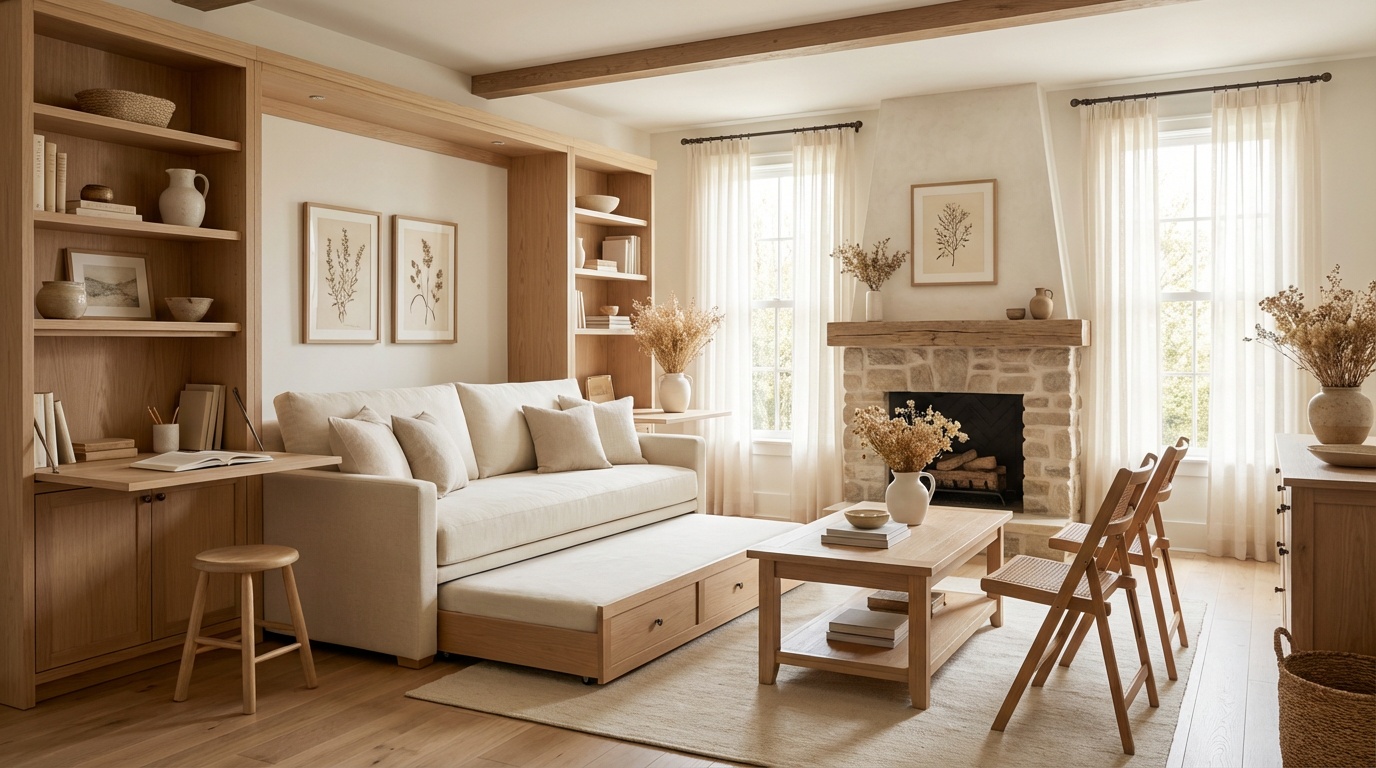
Styling for Different Budgets & Spaces
Bringing Your Vision to Life
The journey from inspiration to reality can feel overwhelming, especially when you're trying to envision how all these elements will work together in your specific space. Before you invest in furniture, paint, or decor, it's crucial to visualize the transformation.
Traditional interior design services can cost thousands of dollars just for the consultation and mood boards, putting professional guidance out of reach for many homeowners. Even working with paint samples and furniture catalogs requires significant imagination to picture the final result in your actual living room.
This is where RoomStudioAI becomes an invaluable tool in your design process. Instead of guessing how that sage green wall color will look with your existing furniture, or wondering if a cottagecore aesthetic will suit your room's architecture, you can see it instantly. Simply upload a photo of your current living room, select the cottagecore style, and watch as artificial intelligence transforms your space in seconds.
The beauty of using RoomStudioAI for your cottagecore living room is the ability to experiment risk-free. Try different color schemes—maybe you're torn between warm cream walls and soft sage. Generate both versions and see which resonates with you. Wondering if your space can handle more pattern and texture, or if you should keep things simpler? The AI visualization shows you the possibilities without committing to a single purchase.
You can also use RoomStudioAI to:
- Test the style before committing to see if cottagecore truly suits your space and lifestyle
- Share visualizations with family members or roommates to get buy-in before making changes
- Create a reference point for shopping—take the AI-generated image with you to help find pieces that match your vision
- Plan your phases—generate your ideal end result, then work backward to determine which elements to prioritize
- Avoid costly mistakes—see potential issues before they happen, like a color that doesn't work with your lighting
The tool is particularly helpful for cottagecore because this aesthetic relies so heavily on the interplay of multiple elements—the way natural light filters through linen curtains onto a floral sofa, how vintage wood tones work together, the balance of pattern and texture. These relationships are hard to imagine but easy to see in a visualization.
Getting started with RoomStudioAI takes just minutes. Snap a photo of your living room from the angle that best captures the space. Upload it to the platform, select "cottagecore" from the style options, and let the AI work its magic. Within seconds, you'll see your room transformed with all the elements we've discussed: warm neutral walls, natural wood furniture, botanical textiles, cozy layers, and that ineffable cottagecore charm.
The free version gives you a taste of the possibilities, and if you're serious about your transformation, the full version provides multiple variations and higher resolution images perfect for planning and reference.
Your cottagecore living room is closer than you think. You don't need a countryside cottage or an unlimited budget—just a clear vision, thoughtful choices, and the willingness to embrace a slower, more intentional approach to design. Start by visualizing your space transformed, then take it one piece, one project, one thrifted treasure at a time. Before you know it, you'll be curling up in your own cozy sanctuary, teacup in hand, surrounded by the gentle beauty of cottagecore style.
Ready to see your living room transformed? Try RoomStudioAI today and bring your cottagecore dreams to life—no commitment, no risk, just pure inspiration at your fingertips.