
Home staging is a powerful marketing tool that transforms a property from a lived-in space into a buyer's dream home. It's the art of strategically arranging furniture and decor to highlight a home's best features, creating an emotional connection that helps prospective buyers envision themselves living there. The results are clear: staged homes often sell faster and for a higher price than their unstaged counterparts.
This curated collection of staging before and after examples goes beyond simple aesthetics. We will dissect eight distinct transformations, providing a detailed breakdown of the specific strategies employed, from furniture rearrangement and color palette changes to lighting enhancements and virtual redesigns. For each case, you'll find an analysis of the goals, actions taken, and the quantifiable impact on the sale.
You will gain actionable insights and practical takeaways, learning not just what was done, but why it worked. We'll also explore how to replicate these professional results using powerful visualization tools like RoomStudioAI, making high-impact design accessible whether you are selling a property, an agent creating a listing, or a homeowner seeking inspiration for your own space. Let's explore the tangible power of a well-executed staging project.
1. Furniture Arrangement & Layout Transformation
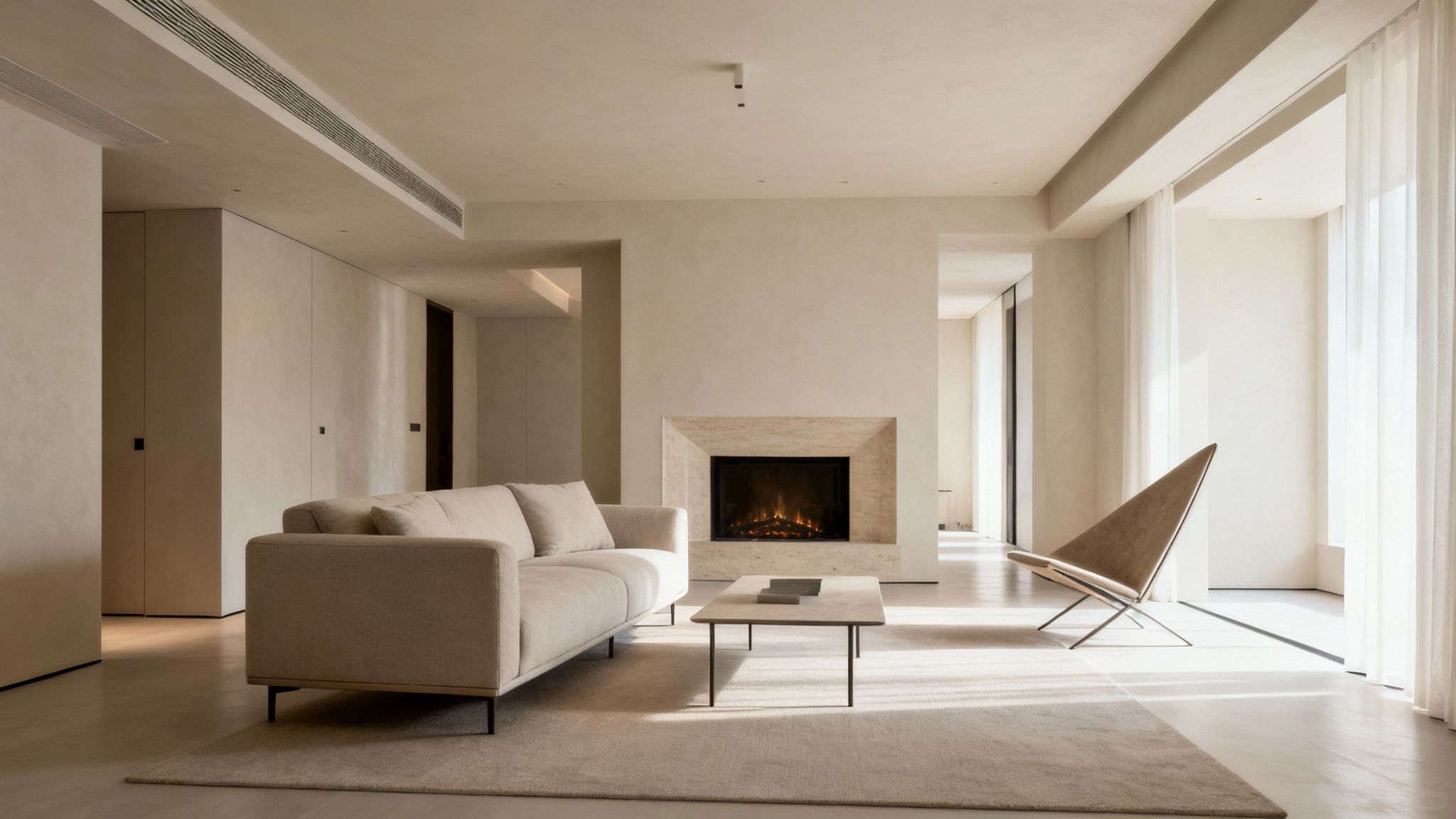
The most impactful and cost-effective staging strategy often involves no new purchases at all. A furniture arrangement and layout transformation is the art of strategically repositioning existing pieces to enhance a room's flow, define its purpose, and maximize the perception of space. This foundational step in home staging can dramatically alter how a potential buyer experiences a home, turning a cluttered, awkward space into one that feels open, intuitive, and inviting. This is a prime example of a staging before and after where the only investment is time and strategic thinking.
Strategic Analysis
The goal is to solve spatial problems and highlight a room's best features. An open-concept living area can feel cavernous and undefined until furniture is used to create distinct zones, like a conversation area and a reading nook. In smaller apartments, pulling a sofa off the wall by just a few inches can create an illusion of depth, making the room feel significantly larger. The "before" often features furniture pushed against walls, blocking traffic or obscuring architectural details like windows or fireplaces. The "after" creates clear pathways and draws the eye to these focal points.
Actionable Takeaways
Anchor First: Begin by placing your largest piece of furniture, such as the sofa in a living room or the bed in a bedroom. All other items should be positioned in relation to this anchor.
Create Conversation Zones: Arrange seating to facilitate conversation. In a living room, sofas and chairs should generally face each other, not just the television.
Define Pathways: Ensure there are clear, logical walking paths through the room. A good rule of thumb is to allow for at least 30-36 inches of clearance for major walkways.
Visualize Virtually: Before moving heavy furniture, use a tool like RoomStudioAI to A/B test different layouts. This saves physical effort and helps you find the optimal arrangement. To explore various configurations, check out these modern living room ideas.
2. Color Palette & Wall Treatment Redesign
Never underestimate the power of paint. A color palette and wall treatment redesign is a high-impact, low-cost strategy that fundamentally alters a room's mood, perceived size, and overall aesthetic. Moving beyond dated or overly personal color choices is crucial for appealing to a broad market. A fresh coat of paint or a well-chosen accent wall can be the most transformative element in a staging before and after project, breathing new life into a space and making it feel clean, modern, and move-in ready.
Strategic Analysis
The primary goal is to neutralize and depersonalize the space while enhancing its best features. Dark, heavy colors can make a room feel small and oppressive, while a "before" shot with bold, personal choices like a bright red accent wall can distract buyers. The "after" focuses on light, neutral palettes such as soft grays, warm beiges, or off-whites that create a blank canvas. This allows potential buyers to envision their own belongings in the space. An accent wall with a subtle texture or a sophisticated, deep jewel tone can add depth and character without overwhelming the room.
Actionable Takeaways
Embrace Neutrals: Opt for versatile, light-reflecting neutral colors that appeal to the widest audience. These shades make rooms appear larger and brighter.
Create Focal Points: Use a single, darker accent wall to draw attention to an architectural feature like a fireplace or a beautiful window view. This adds dimension to an otherwise simple room.
Consider the Finish: The paint's sheen matters. A matte or eggshell finish is great for hiding imperfections on walls, while a semi-gloss is durable and ideal for trim and doors.
Preview with AI: Before committing to a color, use a tool like RoomStudioAI to test different shades and styles directly on a photo of your room. This is crucial for seeing how a color will interact with your specific lighting and furnishings. You can explore a variety of color schemes by reviewing these minimalist living room ideas.
3. Decluttering & Minimization Staging
Perhaps the most universally critical aspect of home preparation, decluttering and minimization staging involves systematically removing personal items, excess decor, and unnecessary furniture. This process transforms a home from a personal space into a clean, neutral product, allowing potential buyers to envision their own lives within the walls. By stripping away the non-essential, you emphasize the home's core assets: its space, light, and architectural features. This powerful staging before and after showcases the psychological impact of simplicity, making rooms appear larger, brighter, and more valuable.
Strategic Analysis
The primary goal of decluttering is to eliminate distractions and create a sense of calm and possibility. A "before" photo often features cluttered kitchen counters, overstuffed bookshelves, and walls covered in personal photos, which can make a space feel small and chaotic. The "after" presents a serene environment with clear surfaces and open sightlines, where the buyer's eye is drawn to the home itself, not the seller's possessions. This strategic subtraction is less about creating a sterile environment and more about highlighting the property's inherent potential.
Actionable Takeaways
Implement the One-Third Rule: For surfaces like bookshelves, countertops, and mantels, aim to remove two-thirds of the items, leaving only a few strategically placed pieces to suggest function.
Depersonalize Completely: Pack away family photos, diplomas, and personal collections. Buyers need to project themselves into the home, which is difficult when it feels like they are intruding on someone else's life.
Clear All Surfaces: In kitchens and bathrooms, remove everything from the counters except for one or two simple decorative items, like a small plant or a bottle of soap. This instantly makes the space feel larger and cleaner.
Visualize the Blank Canvas: Before you begin, use a tool like RoomStudioAI to virtually empty a room. This can motivate the decluttering process by revealing the true space and potential you are working to achieve.
4. Lighting Enhancement & Fixture Updates
Proper lighting is a silent yet powerful force in home staging, capable of making a space feel larger, cleaner, and more welcoming. A lighting enhancement and fixture update involves more than just screwing in a brighter bulb; it is a strategic overhaul of a room's illumination to transform its ambiance, highlight its best features, and improve functionality. Dated, dim, or poorly placed fixtures can make a home feel old and dreary, while modern, layered lighting elevates it, creating a powerful staging before and after impact that resonates with buyers on both an emotional and practical level.
Strategic Analysis
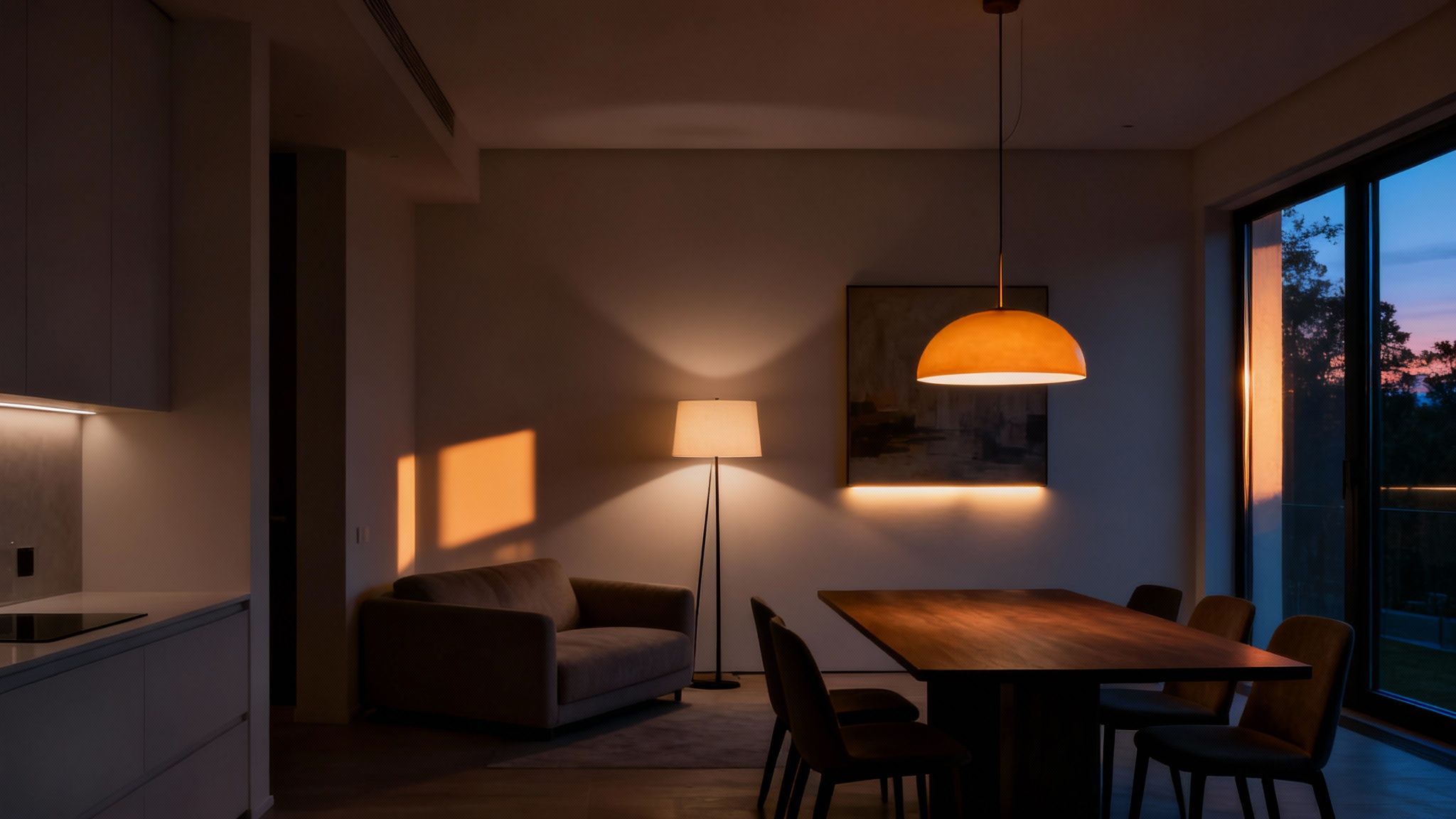
The primary goal is to eliminate dark corners and create a bright, inviting atmosphere that photographs well and feels good in person. A "before" scenario might feature a single, harsh overhead light that casts unflattering shadows. The "after" implements a layered approach with ambient, task, and accent lighting. For example, a dark kitchen is transformed by adding under-cabinet LEDs (task lighting) and stylish pendant lights over the island (accent and task). Similarly, a living room goes from bland to beautiful by replacing an old ceiling fan with a modern chandelier that acts as a focal point.
Actionable Takeaways
Implement Layered Lighting: Combine three types of light. Start with ambient (general overhead), add task (for specific activities like reading or cooking), and finish with accent (to highlight art or architectural details).
Choose the Right Temperature: For living areas and bedrooms, opt for warm white light (2700K-3000K) to create a cozy, welcoming feel. Cooler whites (3500K-4000K) work well in kitchens and bathrooms.
Maximize Natural Light: Before spending on fixtures, ensure windows are clean and replace heavy drapes with sheer curtains to let in as much natural daylight as possible.
Preview with Precision: Use a tool like RoomStudioAI to visualize how different fixtures and lighting schemes will look in your space before making a purchase. This allows you to test everything from pendant styles to the warmth of under-cabinet lighting.
5. Window Treatments, Soft Furnishings & Decor Styling
After establishing the layout, the next layer of staging involves textiles and decor. Updating window treatments, soft furnishings, and decorative objects is how a house becomes a home in the eyes of a buyer. This step adds warmth, texture, color, and personality, transforming a sterile space into a thoughtfully curated environment. The difference between a bare window and one framed with elegant curtains demonstrates a powerful staging before and after effect, suggesting a lifestyle of comfort and style.
Strategic Analysis
The goal here is to create a cohesive and emotionally appealing atmosphere. The "before" often features mismatched pillows, dated curtains, bare shelves, and a general lack of unifying style. The "after" showcases a deliberate design choice, where every element, from the rug anchoring the furniture to the art on the walls, works together to tell a story. For instance, replacing heavy, dark drapes with light, airy linen curtains can instantly make a room feel larger and brighter, while a well-styled bookshelf adds character and intellectual appeal.
Actionable Takeaways
Layer Textures: Combine different materials like velvet pillows, a chunky knit throw, and a smooth linen curtain. This layering creates visual depth and a sense of luxury.
Anchor with Rugs: Use area rugs to define spaces, especially in open-concept rooms. Ensure the front legs of major furniture pieces are on the rug to ground the arrangement.
Style with Intention: Decorate surfaces like mantels and shelves using the "rule of three" by grouping objects in odd numbers. Vary the height and shape of items to create a balanced, uncluttered look.
Preview Combinations: Before purchasing new decor, use RoomStudioAI to experiment with different pillow patterns, curtain styles, and rug choices. This ensures your selections harmonize perfectly, a key element in spaces like a formal dining room. Learn more about how these details can complete a dining room design.
6. Flooring Transformation & Area Rug Staging
Flooring covers one of the largest visual surfaces in any room, making it a powerful yet often overlooked component of home staging. A flooring transformation, whether through refinishing, replacement, or the strategic placement of area rugs, can fundamentally change a room's character. It influences perceived quality, brightness, and cleanliness, turning a dated or worn space into a fresh, modern canvas that appeals to a broad range of buyers. This is a crucial staging before and after tactic that can yield a significant return on investment.
Strategic Analysis
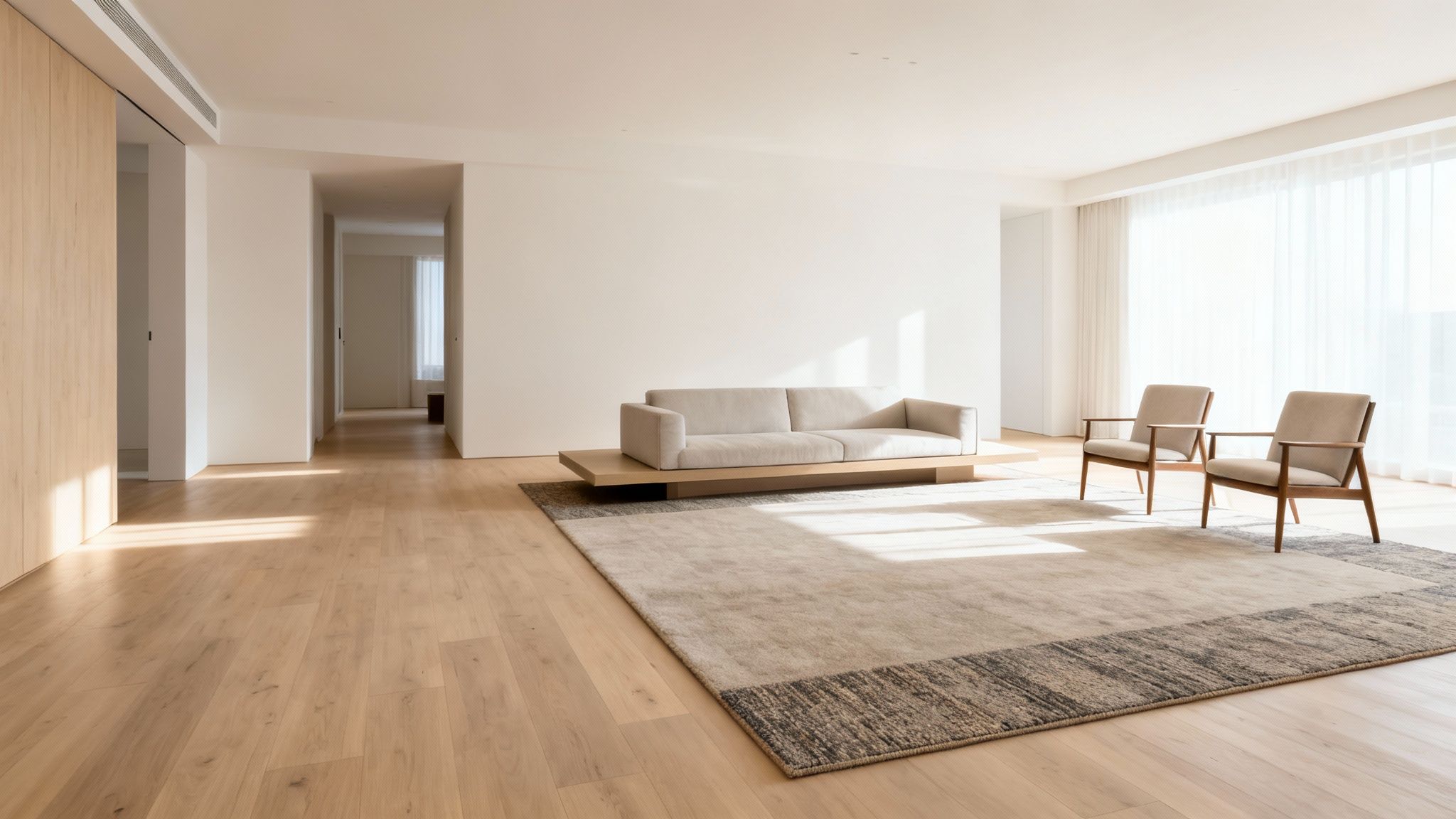
The primary goal is to address a major visual element that buyers scrutinize. Worn carpets, cracked tiles, or scuffed hardwoods can signal neglect and lead to lower offers. The "before" might feature dark, dingy carpeting that absorbs light and makes a room feel small. The "after" showcases light luxury vinyl plank (LVP) or freshly refinished hardwoods that reflect light and create an expansive feel. In open-concept spaces, area rugs are used to define functional zones, such as a living area, anchoring the furniture and adding texture without the cost of new flooring.
Actionable Takeaways
Prioritize Light and Bright: Choose lighter-toned flooring like light oak LVP or refinished maple to make rooms feel larger and more airy. Light floors can expand perceived space by up to 25%.
Rug Size is Key: Select an area rug that is large enough for the main furniture pieces to rest on it. For most living rooms, this means a minimum of an 8x10 rug to properly anchor the conversation zone.
Define with Rugs: In open floor plans, use distinct rugs to visually separate the living, dining, and entry areas. This creates a sense of order and purpose for each space.
Preview Before Committing: Flooring is a significant investment. Use a tool like RoomStudioAI to upload a photo of your room and test different flooring materials and colors, seeing how they interact with your actual lighting. Visualize the change before you spend a dime on these living room ideas.
7. Bedroom Styling & Luxury Bedding Presentation
A bedroom should be a sanctuary, and professional staging transforms it from a personal space into an aspirational retreat. Bedroom styling, with a focus on luxury bedding, is about creating an emotional connection that allows buyers to envision a lifestyle of comfort and tranquility. By layering textures, using high-quality linens, and employing strategic styling, a standard bedroom can be elevated to a hotel-quality suite, making it a powerful selling feature in any home. This is a crucial staging before and after tactic that directly impacts a buyer's perceived value of the private quarters.
Strategic Analysis
The goal is to depersonalize the space while maximizing its sense of luxury and calm. The "before" often includes mismatched, worn-out bedding, personal clutter on nightstands, and a lack of visual hierarchy. The "after" presents a perfectly made bed as the undeniable focal point, styled with a curated collection of pillows, a plush duvet, and elegant throws. This approach makes rooms feel more intentional, polished, and even larger, as the eye is drawn to a beautifully composed centerpiece. The transformation from a simple sleeping area to a resort-like escape is what drives higher emotional engagement and offers.
Actionable Takeaways
Layer with Purpose: Start with crisp, neutral sheets (white or light gray) and add layers. Use a combination of sleeping pillows and decorative pillows of varying sizes (e.g., 24", 20", 16") to create depth and a luxurious feel.
Invest in a Duvet: A fluffy duvet insert inside a clean, high-quality duvet cover instantly adds a look of opulence and comfort.
Add Finishing Touches: A folded throw blanket or a runner placed at the foot of the bed adds a final layer of texture and color, completing the professionally styled look.
Balance the Bedside: Ensure nightstands are proportional to the bed and style them symmetrically with simple, elegant lamps and minimal decor.
Preview Before You Purchase: Use a tool like RoomStudioAI to experiment with different bedding combinations and color palettes. To find inspiration for your project, explore these elegant bedroom ideas.
8. Virtual Redesign & Style Conversion for Multi-Use Spaces
In today's market, a room's flexibility is a major selling point. Virtual redesign and style conversion is a cutting-edge technique that digitally transforms a space to showcase its full potential without any physical changes. This method allows potential buyers or clients to visualize a room in various styles or functions, such as converting a formal dining room into a functional home office or shifting a traditional living room to a modern luxury aesthetic. This "digital" staging before and after is invaluable for demonstrating versatility and appealing to a wider range of tastes.
Strategic Analysis
The core strategy here is to overcome a buyer's lack of imagination and address specific lifestyle needs. A "before" photo might show a dated, rustic farmhouse interior that appeals to a niche audience. The virtual "after" can render the same space in a sleek, minimalist Japandi style, instantly broadening its appeal. This is especially powerful for multi-use spaces. By showing an empty spare room as both a nursery and a home office, you are not just selling a room; you are selling possibilities that align with the diverse needs of modern buyers, like remote workers.
Actionable Takeaways
Showcase Versatility: Use a tool like RoomStudioAI to generate 3-4 distinct style or function variations for key rooms. This helps buyers see how the space can adapt to their personal needs.
Confirm Preferences: Before investing in physical staging or renovations, use virtual redesigns to test color palettes, furniture layouts, and overall aesthetics with zero cost or commitment.
Label for Compliance: When using virtual staging in real estate listings, always clearly label the images as "virtually staged" to maintain transparency and comply with MLS regulations.
High-Quality Presentations: Save designs in high resolution (4K) for crisp, professional marketing materials, client presentations, or listing photos that capture attention. Explore how you can create your own free AI interior designs with tools like RoomStudioAI.
Before vs After Staging: 8-Point Comparison
| Strategy | 🔄 Complexity | 💡 Resources | ⭐📊 Expected outcomes | ⚡ Key advantages | Ideal use cases |
|---|---|---|---|---|---|
| Furniture Arrangement & Layout Transformation | Low–Medium 🔄 (repositioning + labor) | Low 💡 (existing furniture; possible moving help) | Improves flow; perceived space +20–30%; medium–high ⭐⭐📊 | Fast A/B testing; low cost; instant virtual previews ⚡ | Renters, homeowners, agents, small apartments |
| Color Palette & Wall Treatment Redesign | Medium 🔄 (prep, paint or wallpaper) | Low–Medium 💡 (paint, wallpaper, contractor time) | Dramatic mood shift; increases value perception; high ⭐⭐📊 | Cost-effective visual overhaul; prevents color mistakes with previews ⚡ | Budget transformations, listings, renters (temporary solutions) |
| Decluttering & Minimization Staging | Low 🔄 (removal and storage) | Very Low 💡 (storage space; minimal supplies) | Immediate perceived space gain; faster sales (73% faster); very high ⭐⭐⭐📊 | Quick, reversible, broad buyer appeal; low cost ⚡ | Sellers, agents, overwhelmed homeowners, small-space renters |
| Lighting Enhancement & Fixture Updates | Medium 🔄 (fixture swaps; some electrical) | Medium 💡 (fixtures, possible electrician) | Brighter rooms; improved mood/function; 60% preference for well-lit images; high ⭐⭐📊 | Dramatic brightness and focal highlighting; energy-efficient options ⚡ | Dark rooms, poorly photographed listings, ambiance-focused homes |
| Window Treatments, Soft Furnishings & Decor Styling | Low 🔄 (styling and swaps) | Low–Medium 💡 (curtains, rugs, pillows, art) | Adds warmth/personality; immediate visual interest; medium–high ⭐⭐📊 | Affordable, seasonal swapability; mirrors multiply light ⚡ | Affordable refreshes, bare walls, small rooms needing warmth |
| Flooring Transformation & Area Rug Staging | High 🔄 (installation, disruption) | High 💡 (materials, installation time/cost) | Highest ROI; perceived quality uplift; 5–8% price increase; very high ⭐⭐⭐📊 | Long-term value; major visual upgrade; professional finish | Sellers, homes with worn floors, open-concept spaces |
| Bedroom Styling & Luxury Bedding Presentation | Low 🔄 (styling + bedding investment) | Low–Medium 💡 (bedding, accessories) | Strong emotional impact; higher buyer engagement; high ⭐⭐⭐📊 | Quick, high-emotion staging; seasonal refreshes; relatively affordable ⚡ | Master bedrooms, luxury listings, lifestyle-focused staging |
| Virtual Redesign & Style Conversion for Multi-Use Spaces | Low 🔄 (digital renders) | Minimal 💡 (subscription/software) | Rapid concept testing; reduces design time from weeks to minutes; high for visualization ⭐⭐📊 | Instant, reversible, cost-effective; infinite style testing ⚡ | Designers, agents, homeowners exploring options, client presentations |
From Inspiration to Implementation: Your Next Steps in Home Staging
The journey through these remarkable staging before and after transformations reveals a powerful, consistent truth: strategic design is not about spending the most money, but about making the smartest choices. Each example, from the fundamental shift in furniture layout to the nuanced elegance of updated lighting, underscores a core principle. Successful staging transcends mere decoration; it’s about crafting an emotional narrative that allows a potential buyer to instantly envision their future life within the space.
We’ve seen how decluttering isn't just cleaning, it's creating visual square footage. We’ve analyzed how a new color palette can redefine a room's entire mood, making it feel larger, brighter, and more modern. The impact of intentional styling, from luxurious bedding to perfectly placed area rugs, demonstrates that small details deliver a significant return on investment. The consistent theme is the removal of personal taste to introduce universal appeal.
Key Strategic Takeaways
The most impactful staging strategies are rooted in a clear understanding of space, light, and lifestyle. Mastering these concepts will elevate your property from just another listing to a must-see home.
Create Emotional Connection: Staging's primary goal is to forge a bond. Buyers who can emotionally connect with a home are more likely to make a competitive offer. This is achieved by creating vignettes that suggest a desirable lifestyle.
Maximize Perceived Space: Every decision, from furniture placement to color choice, should aim to make rooms feel as large, open, and airy as possible. This was a critical takeaway from our decluttering and layout examples.
Neutralize to Universalize: A neutral, sophisticated color palette acts as a blank canvas. It allows buyers to project their own belongings and style onto the space without being distracted by bold, personal design choices.
Highlight Key Features: Great staging draws the eye to a home's best assets, such as architectural details, a beautiful view, or high-quality flooring. Use lighting, decor, and furniture arrangement to strategically guide the buyer's focus.
Your Actionable Path Forward
The difference between a lackluster "before" and a stunning "after" lies in confident, pre-planned execution. The era of guesswork is over. The most crucial first step in any staging project today is visualization. Before you pick up a paintbrush, move a sofa, or even buy a single decorative pillow, you must have a clear vision of the end goal.
This is where technology becomes your greatest ally. By leveraging powerful design tools, you can de-risk the entire process. Experiment with dozens of layouts, test countless color combinations, and see exactly how different flooring or lighting will look in your actual room. This data-driven approach transforms staging from an art into a science, ensuring your efforts and budget are directed toward changes that deliver maximum impact. These staging before and after showcases are not just inspiration; they are a blueprint for what is possible when you pair a strategic vision with the right tools.
Ready to create your own incredible staging before and after transformation? Stop guessing and start visualizing. With RoomStudioAI, you can upload a photo of your space and instantly generate stunning, photorealistic redesigns in any style imaginable. See your home’s full potential and make design decisions with confidence by visiting RoomStudioAI to get started today.
Article created using Outrank
Ready to redesign your space?
Try our AI interior design tool and see your room transformed in seconds.
Try Free Design

